The path of the inner light is founded in observing phosphenes. On our Youtube channel Vedicvibes we have created many videos on the Yoga of Inner Light. We think it is time to re-vive this ancient path to sacred knowledge.
There are a great number of shapes, colours and morphings possible to see if you close your eyes and watch the inner lights happening. Here I design for the first time a taxonomy people can recognise and use. A taxonomy is a kind of classification of the light patterns.
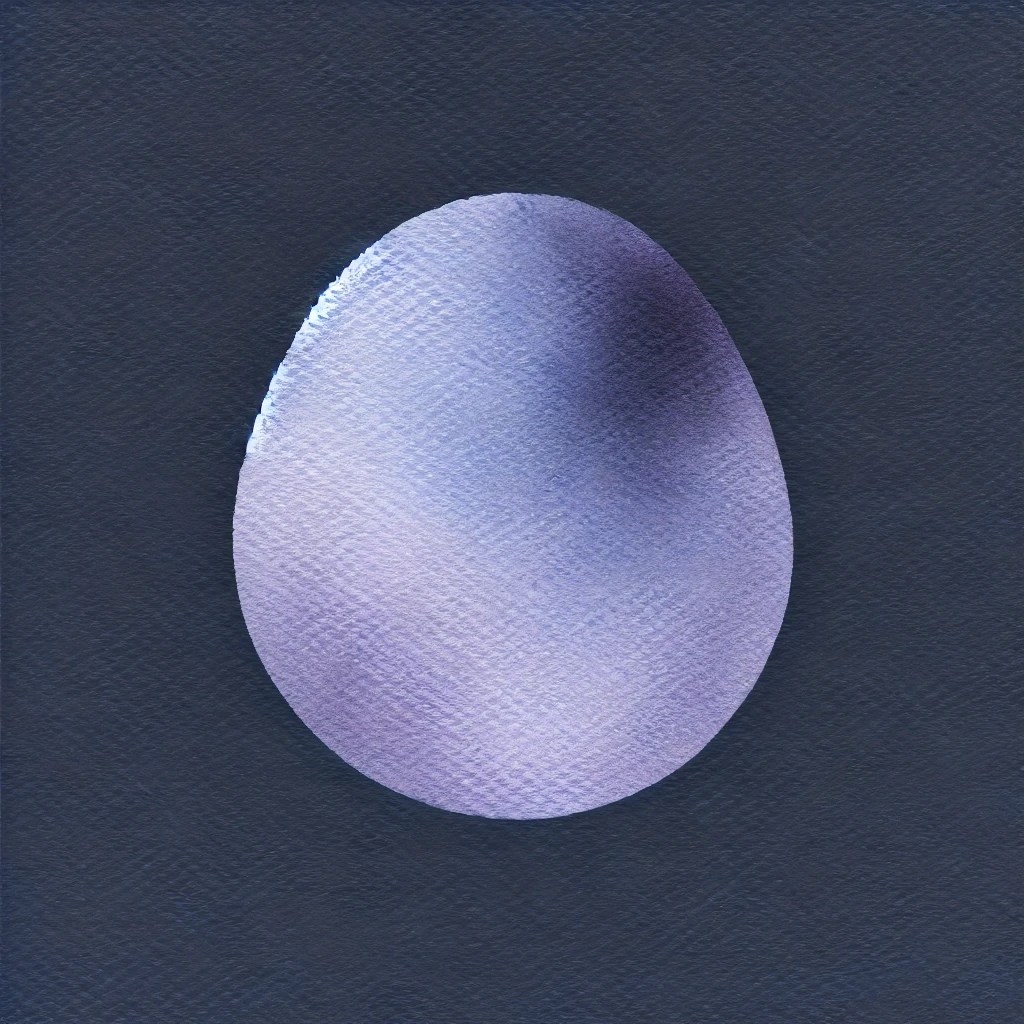
Designing a taxonomy for capturing the laws of morphing and the shapes of phosphenes can be a structured way to understand their characteristics and dynamics. Since phosphenes often involve circular shapes and concentric rings that morph in size, this taxonomy is based on their progression and visual qualities. Here’s an initial design of proposal to distinguish the various forms and colours:
Taxonomy of Phosphene Morphology and Dynamics
1. Shape Classification
This category captures the form of the phosphenes which might happen. There are more shapes possible, infinite shapes up to complex 3D movies, but we start with the basic forms
1.1 Circular and Concentric Rings
- Simple Circular: Single, well-defined circular or oval shapes.
- Nested Concentric: Multiple rings expanding or contracting inward or outward.
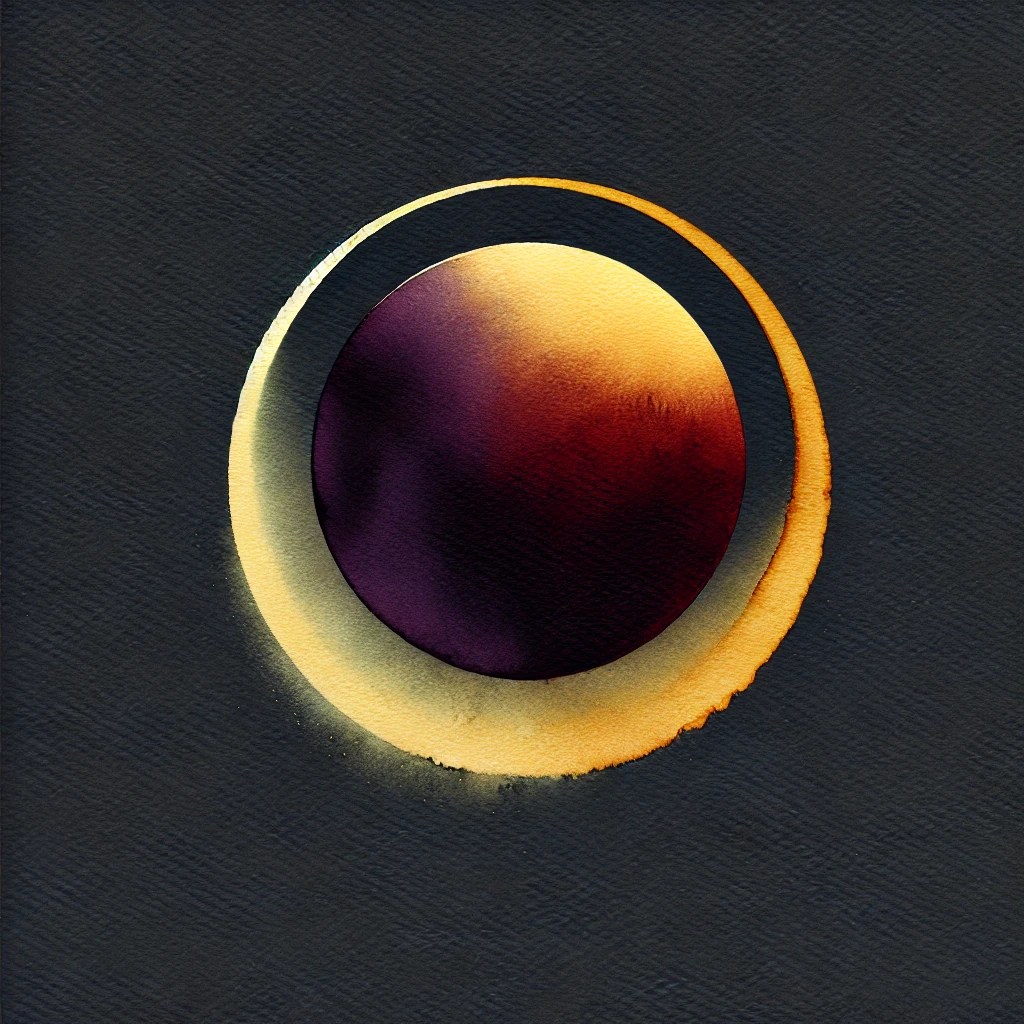
- Diffuse Halo: A faint, blended circle with soft edges.
1.2 Amorphous or Diffuse Forms
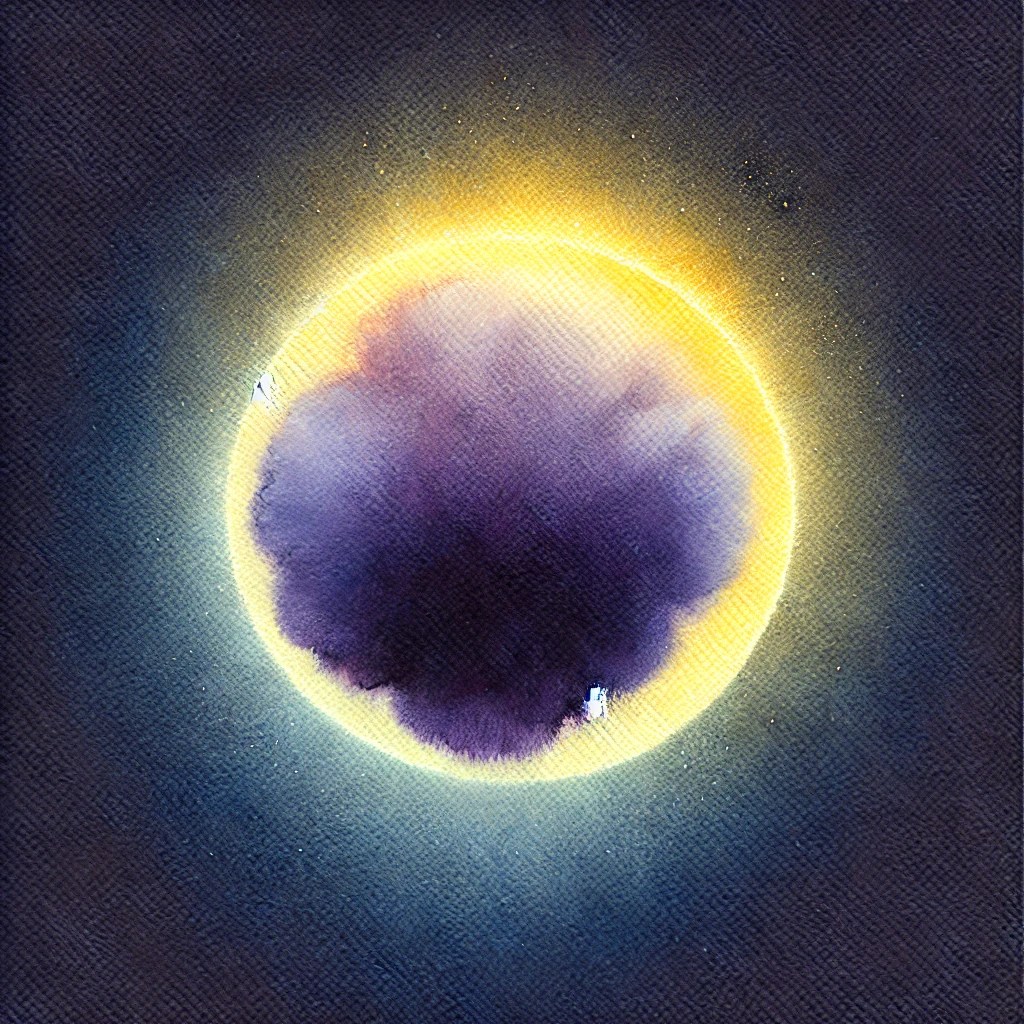
- Blob-like: Irregular shapes resembling organic blotches. Can be small, can be big, can confluent small into bigger.
- Star-like: little stars especially at the periphery of the vision field
- Cloud-like: Diffuse and vaporous shapes.
- Radiating Forms: Circular centers with radiating lines or waves.
2. Morphing Dynamics
This category defines the motion and transformation of the shapes.
2.1 Expansion and Contraction
- Pulsating: Rhythmic expansion or contraction.
- Spiraling Outward: Circular forms growing larger in a spiraling motion, or smaller.
- Collapsing Inward: Shrinking circles morphing into dense cores or luminous spots.
2.2 Complex Morphing Patterns
- Splitting: A circle splitting into smaller circles.
- Fusing: Multiple circles merging into a single form.
- Shifting Asymmetry: Circles becoming irregular as they grow or shrink.
- Morphing: into luminous shapes resembling beings
3. Color and Luminosity
Categorizes the hues, brightness, and gradients within phosphenes.
3.1 Monochromatic
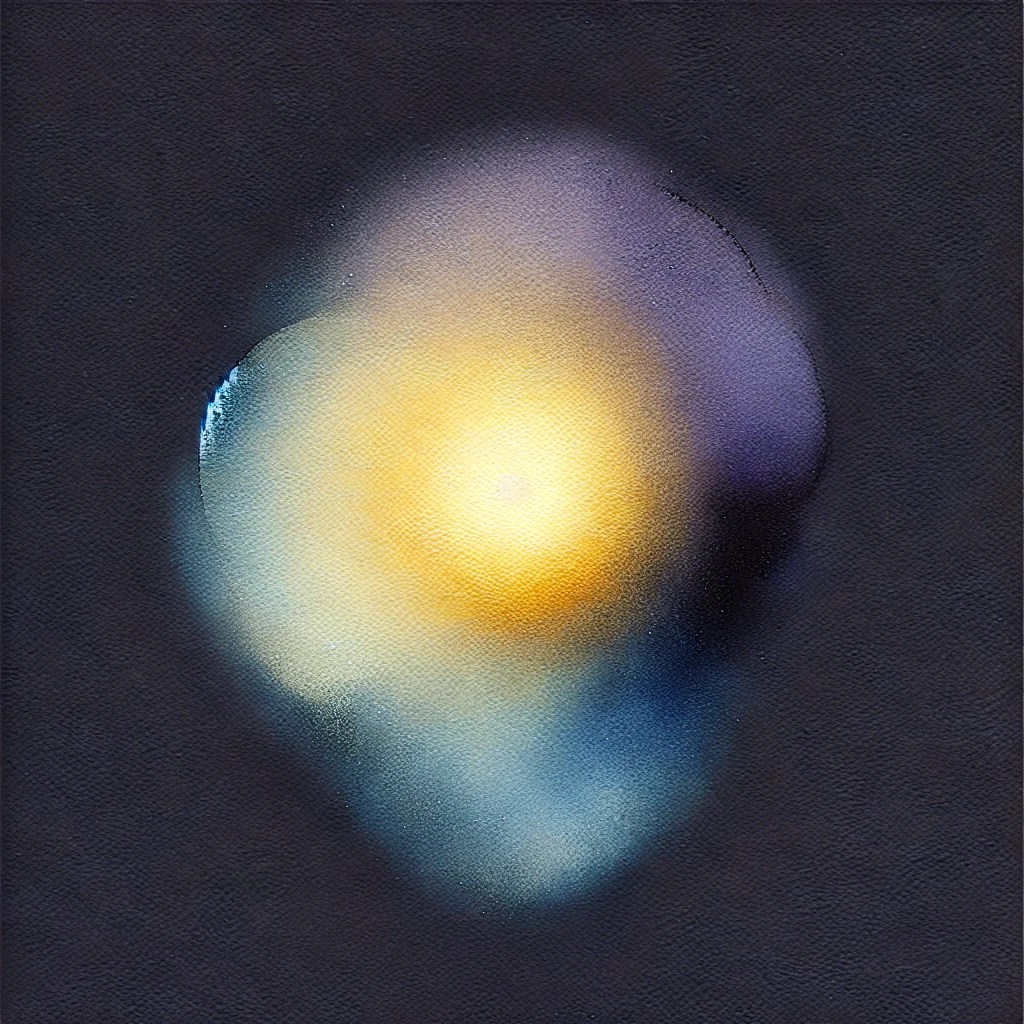
- Dominant hues like violet, blue, green, red, yellow, golden.
3.2 Gradients and Iridescence
- Radial Gradient: A smooth transition from bright core to faint periphery.
- Haloed Glow: Bright outer rims with dim cores.
3.3 Dynamic Color Shifts
- Static: Unchanging colors.
- Flowing: Colors transitioning fluidly across the phosphene.
4. Spatial Orientation and Depth
Describes the dimensional qualities of the phosphene.
4.1 Flat Geometry
- Appears two-dimensional with no perceived depth.
4.2 Layered Effects
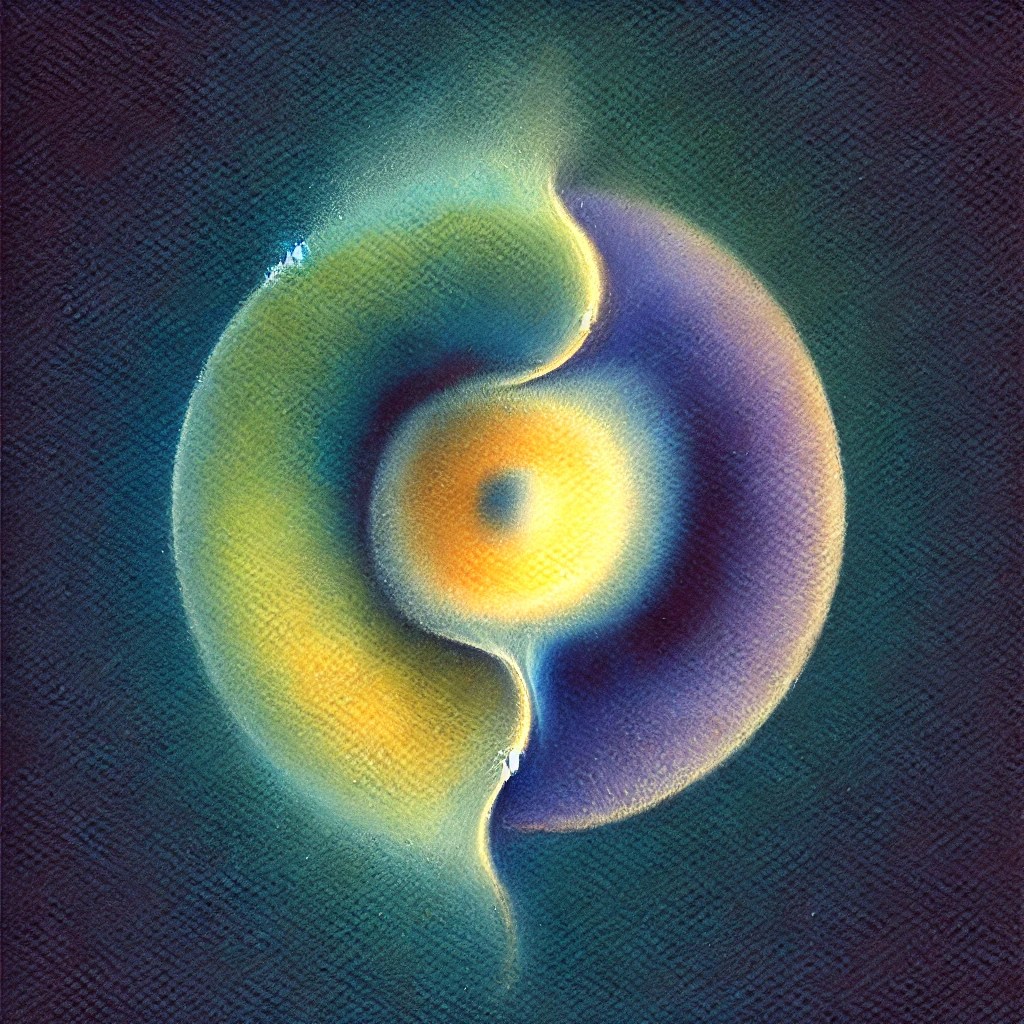
- Overlapping concentric rings or halos.
4.3 3D Depth
- 3D spherical or tunnel-like depth, often seen as tunnels of light.

5. Patterns and Symmetry
Defines any structured geometry in the phosphene.
5.1 Radial Symmetry
- Perfectly balanced rings emanating from a central point.
- Fractals with radiant symmetry like yantra’s
5.2 Fractal-like
- Smaller patterns nested within larger ones.
5.3 Dynamic Symmetry Breaks
- Distortions in otherwise symmetrical shapes as morphing occurs.
6. Temporal Stability
Defines how long and stable the phosphene shapes last.
6.1 Transient
- Quickly appearing and disappearing shapes. Sometimes so quickly you cannot follow
6.2 Stable
- Persistent shapes with gradual transitions.
6.3 Evolving
- Shapes that undergo continuous, fluid transformation.

How to Apply This Taxonomy to follow the Circular Shapes and Concentric Ring-morphings
You are invited to explore your own phosphenes in meditation. Before you merge into the shunyata, the emptiness you can also systematically observe and discipline yourself to focus on the ever chagning dynamics of the phosphenes via the next observational table.
- Begin by identifying the shape as “circularly” and classify its nested or concentric nature.
- Observe morphing dynamics, noting whether the rings expand outward, contract inward, or pulsate.
- Document the color transitions and describe the luminosity gradient (bright core, dim edges, etc.).
- Note whether the circles are perceived as flat or have 3D depth, such as tunnels.
- Finally, assess their temporal behavior, distinguishing between stable rings and dynamic, fleeting patterns.
Meditation on phosphenes brings you into a state of illumination and soon enlightenment if you persist a bit you will see your own radiant nature. If I can do, you can do.
The next chapter in phosphene phenomenology will enter the world of the divine light shapes, the sacred geometry and the kaleidoscopic nature of the primary Clear Light before it blows your mind.
December 25 2024, Jan M. Keppel Hesselink
 breath4balance