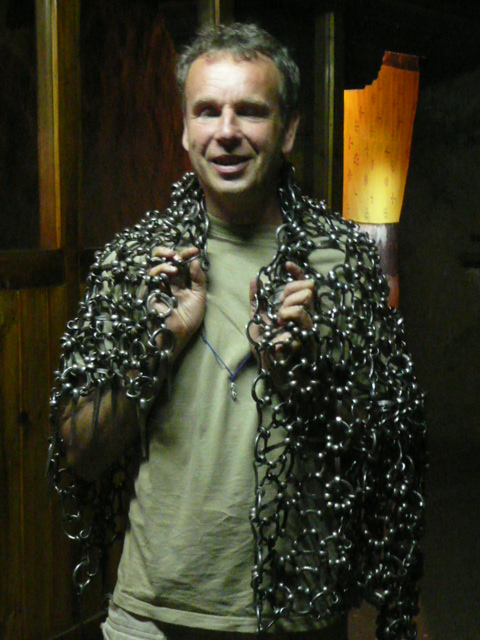
In the Paro Valley of Bhutan, Kyichu Lhakhang Monastery stands as one of the most sacred and oldest temples in the country. Steeped in history, mystery, and spirituality, it is a revered site not only for Bhutanese Buddhists but also for pilgrims and spiritual seekers from around the world. The monastery is deeply intertwined with Bhutan’s religious and cultural heritage, offering a glimpse into the mystical traditions of Vajrayāna Buddhism that continue to thrive in the Land of the Thunder Dragon. We visited the monastery and where able to be confronted with a real Sacred Chain Mantle! Extremely heavy I still remember the feeling. Amazing!
Historical Foundations
Kyichu Lhakhang, also known as Kyerchu Temple, is believed to have been built in the 7th century by the Tibetan King Songtsen Gampo. According to legend, it was one of the 108 temples constructed by the king to pin down a giant demoness whose body sprawled across the Himalayan region, hindering the spread of Buddhism. Kyichu Lhakhang was specifically constructed on the left foot of the demoness, symbolizing the subjugation of negative forces and the establishment of Buddhist dharma.
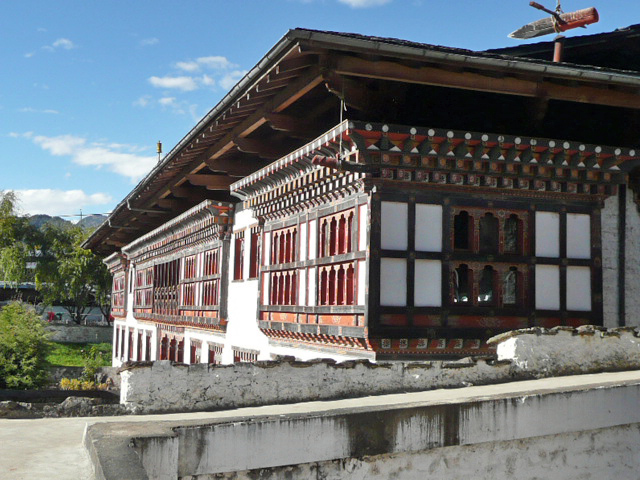
Over the centuries, Kyichu Lhakhang has been expanded and renovated by various Bhutanese kings and spiritual leaders. Each addition reflects the evolving spiritual and artistic traditions of the region, making the monastery a living monument to Bhutan’s enduring faith and devotion.
The Chainmail Armor: A Symbol of Protection
One of the unique and intriguing artifacts at Kyichu Lhakhang is the chainmail armor, which visitors can wear as part of a sacred ritual. This ancient piece of metalwork, imbued with symbolic significance, serves as a reminder of the spiritual protection that the monastery offers to devotees.
The chainmail armor is believed to have belonged to a great warrior or spiritual figure associated with the monastery’s history. Donning this armor is seen as an act of invoking divine protection, a tangible connection to the spiritual forces that safeguard the temple and its visitors. Pilgrims who wear the chainmail engage in prayer and meditation, seeking blessings for courage, resilience, and spiritual fortitude. The act of wearing this armor transcends its physical weight, symbolizing the burden of worldly attachments being lifted through faith and devotion.
Mysticism and Spiritual Practices
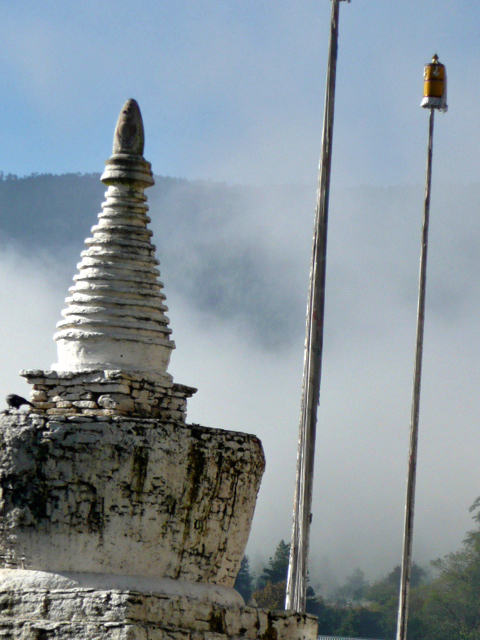
Kyichu Lhakhang is enveloped in an air of mysticism, largely owing to its age-old rituals and the legends surrounding it. The temple is home to sacred relics, prayer wheels, and statues that are believed to emanate blessings and spiritual energy. Among its most revered treasures is the statue of Jowo Sakyamuni, considered to be one of the most venerated representations of the historical Buddha in Bhutan.
The monastery’s spiritual significance is further enhanced by its connection to Guru Padmasambhava, the legendary 8th-century tantric master who is credited with introducing Vajrayāna Buddhism to Bhutan. Devotees believe that Guru Rinpoche blessed the site, infusing it with protective and transformative energy that continues to resonate through the centuries.
The rituals at Kyichu Lhakhang often involve the recitation of mantras, offerings to the deities, and the turning of prayer wheels. These practices are designed to cultivate merit, purify negative karma, and deepen the practitioner’s connection to the enlightened state.
Kyichu Lhakhang Today
Today, Kyichu Lhakhang remains a vital spiritual center, attracting both local devotees and international visitors. The serene environment of the Paro Valley, combined with the monastery’s timeless architecture and spiritual aura, creates a setting conducive to meditation and introspection.
For many, visiting Kyichu Lhakhang is quite impressive. Whether through donning the chainmail armor, circumambulating the temple, or simply sitting in quiet reflection, visitors often leave with a profound sense of connection to Bhutan’s spiritual heritage and the universal truths of compassion, wisdom, and enlightenment.
 breath4balance