You might have felt tears of gratitude just being touched by existence. You listen to a talk of Krishnamurti, or see an avatar just walking, like Neem Karoli Baba, OSHO or whoever. You hear words of them spoken and you immediately recognise the truth is being spoken. Tears fill your eyes. You are full of gratitude. Being full of gratitude is Grace. The divine Grace of the divine is descending on you or ascending in you. This is one of the must pure emotions, and the Indians have a beautiful word for it:
Ahaitukī Kṛpā
Ahaitukī Kṛpā is a concept in Indian philosophy, particularly within the Bhakti traditions of Hinduism, referring to causeless or unconditional grace. But once you experienced it, it is so much more than just a concept. It is being touched by the divine.
The term derives from Sanskrit, where:
- Ahaitukī means “without cause” or “unmotivated.”
- Kṛpā means “grace” or “compassion.”
Together, the phrase signifies divine compassion or grace that is freely given, not earned or dependent on any external factors, actions, or merits. This idea is central to the theological frameworks of Bhakti movements, emphasizing the boundless and impartial nature of divine love.
Unique expression of divine love
In Bhakti traditions, such as those of the Vaishnavas, Shaivas, or Shaktas, Ahaitukī Kṛpā represents the ultimate expression of the divine’s love and compassion for all beings. This grace is believed to:
- Transcend Merit or Worthiness: Ahaitukī Kṛpā is not bestowed because of one’s actions, rituals, or piety. It is unconditional and flows from the divine’s infinite love for creation. This challenges the transactional view of spirituality, where rewards are seen as a result of good deeds or penance.
- Be Universally Accessible: It is available to all, regardless of their social status, spiritual progress, or past actions. The democratizing effect of this concept has played a significant role in Bhakti movements, which often rejected rigid caste hierarchies and promoted inclusivity.
- Serve as a Transformative Force: Divine grace is seen as the catalyst for spiritual awakening. While human effort (such as devotion or meditation) has its role, it is ultimately Ahaitukī Kṛpā that dissolves ignorance, purifies the heart, and reveals the divine presence within.
What do the ancient text say?

Ahaitukī Kṛpā is celebrated in several Hindu texts and traditions. For example:
- Bhagavad Gītā (18.66):
- Lord Krishna says: “Abandon all varieties of dharma and surrender unto me alone. I will liberate you from all sins; do not grieve.”
This verse reflects the unconditional nature of divine grace, where surrender alone invokes the Lord’s compassion.
- Lord Krishna says: “Abandon all varieties of dharma and surrender unto me alone. I will liberate you from all sins; do not grieve.”
- Bhāgavata Purāṇa (1.2.6):
- “Sa vai puṁsām paro dharmo yato bhaktir adhokṣaje ahaituky apratihatā yayātmā suprasīdati.”
Translation: “The supreme dharma for all humanity is that by which one can attain loving devotional service unto the transcendental Lord. Such devotional service must be unmotivated and uninterrupted to completely satisfy the self.”
This highlights the reciprocal relationship between Ahaitukī Kṛpā and Ahaitukī Bhakti (causeless devotion).
- “Sa vai puṁsām paro dharmo yato bhaktir adhokṣaje ahaituky apratihatā yayātmā suprasīdati.”
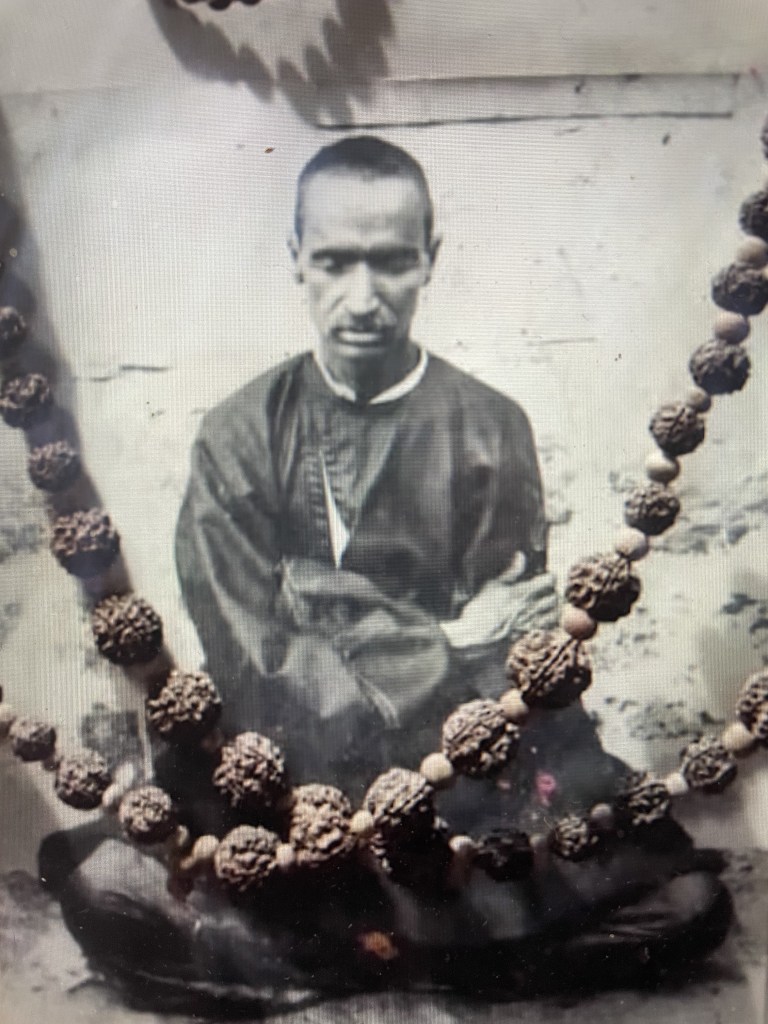
Aspects can be discribed but it is so much more!
- Faith and Surrender: Belief in Ahaitukī Kṛpā encourages devotees to surrender their ego and trust in the divine will. It reassures them that spiritual progress is not solely dependent on their efforts but on divine grace.
- Humility: Recognizing grace as unearned fosters humility, dissolving pride in one’s spiritual achievements or moral superiority.
- Compassion: As the divine bestows grace unconditionally, devotees are inspired to reflect this attribute by showing unconditional kindness and love toward others.
- At the end it is being totally surprised with the shower of awe and grace and it is a state of the beyond.
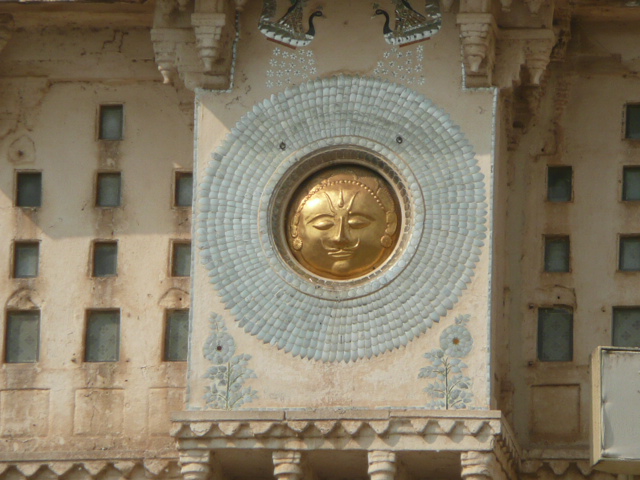
Mystical Dimension over understanding
Ahaitukī Kṛpā also transcends intellectual understanding. It operates beyond the realm of logic, embodying the mystery of divine will. Saints and mystics often describe it as an overwhelming and transformative experience that defies explanation, leading to an indescribable state of bliss and union with the divine.
The essence of love is feeling gratitude and grace: Ahaitukī Kṛpā!
Ahaitukī Kṛpā embodies the essence of divine love and compassion, serving as the cornerstone of Bhakti philosophy. It reminds us that spiritual realization is not about achieving but receiving, not about effort but surrender. This causeless grace is a source of inspiration, promising that no matter one’s circumstances, the divine’s love is always present, waiting to illuminate the path to liberation. You just have to be alert. And see it for what it is. A miracle! AHO! Be receptive for AWE, grace and wonder!
 breath4balance