This is a beautiful mantra, or more from the ancient past. I am very much impressed by this interpretation of the Egyptian book of the death!
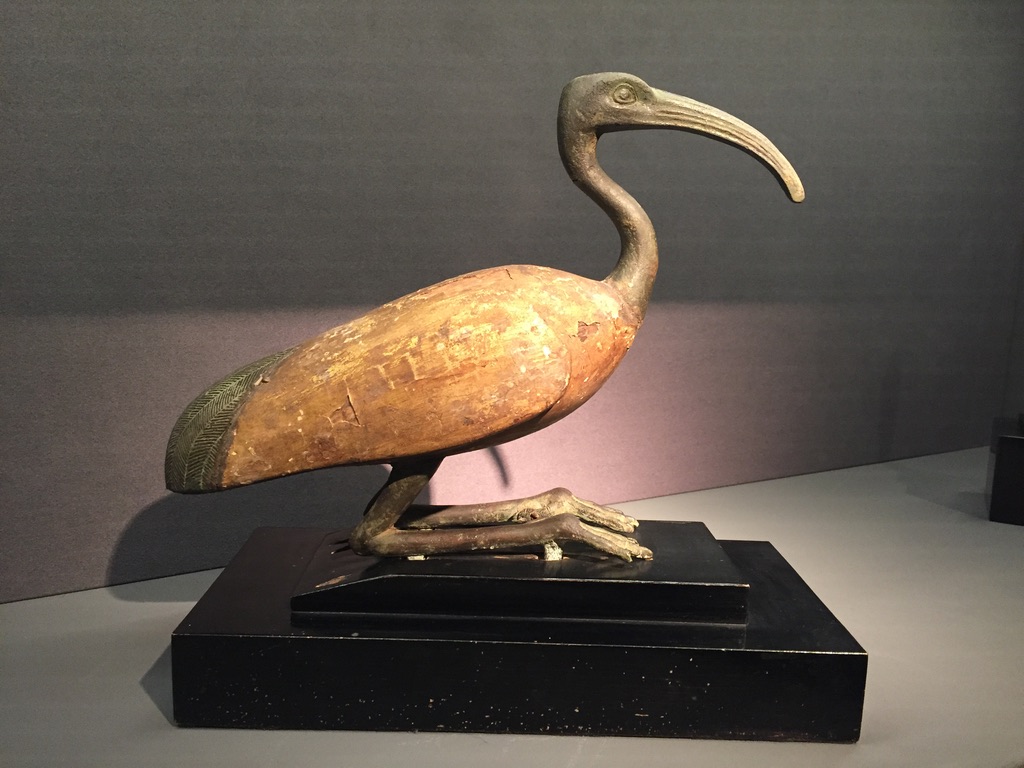
The Omnisutra TeHuti is a meditative and musical adoration dedicated to the ancient Egyptian deity Tehuti, also known as Thoth or Hermes in the Greco-Roman tradition. This creation, sung in the reconstructed ancient Egyptian language by Gavin Shri Amneon, draws its inspiration and verses from the Egyptian Book of the Dead—a foundational spiritual text from ancient Egypt. The chanting honors Thoth’s role as a deity of wisdom, science, magic, healing, and music, blending ancient spirituality with a modern meditative framework.
Who is TeHuti (Thoth)?
Thoth, known as TeHuti in ancient Egyptian mythology, is a complex and multifaceted deity who holds a central role in Egyptian religion and cosmology. His attributes include:
- Wisdom and Knowledge: Thoth is revered as the scribe of the gods and the inventor of writing. He is credited with authoring sacred texts and preserving divine wisdom.
- Magic and Healing: Thoth is a master of magical arts and is invoked for healing and protection. His knowledge bridges the material and spiritual worlds.
- Lunar Associations: Often associated with the moon, Thoth governs time and is seen as the regulator of celestial movements.
- Divine Mediator: Thoth serves as a mediator in disputes among the gods, ensuring cosmic balance (ma’at).
- Spiritual Guidance: In the Egyptian Book of the Dead, Thoth plays a critical role in the judgment of the soul, recording the results of the weighing of the heart against the feather of truth.
The Egyptian Book of the Dead
The Book of the Dead is a collection of funerary texts meant to guide the deceased through the afterlife. Its verses contain prayers, incantations, and hymns designed to help the soul overcome obstacles, secure protection, and achieve eternal harmony.
- Connection to Thoth: Thoth appears frequently in these texts as a guardian and guide of the deceased. His wisdom ensures the soul navigates the challenges of the Duat (the Egyptian underworld).
- Adorations to Thoth: Verses directed to Thoth often celebrate his attributes as the scribe of divine laws, the maintainer of truth, and the protector of those who seek spiritual enlightenment.
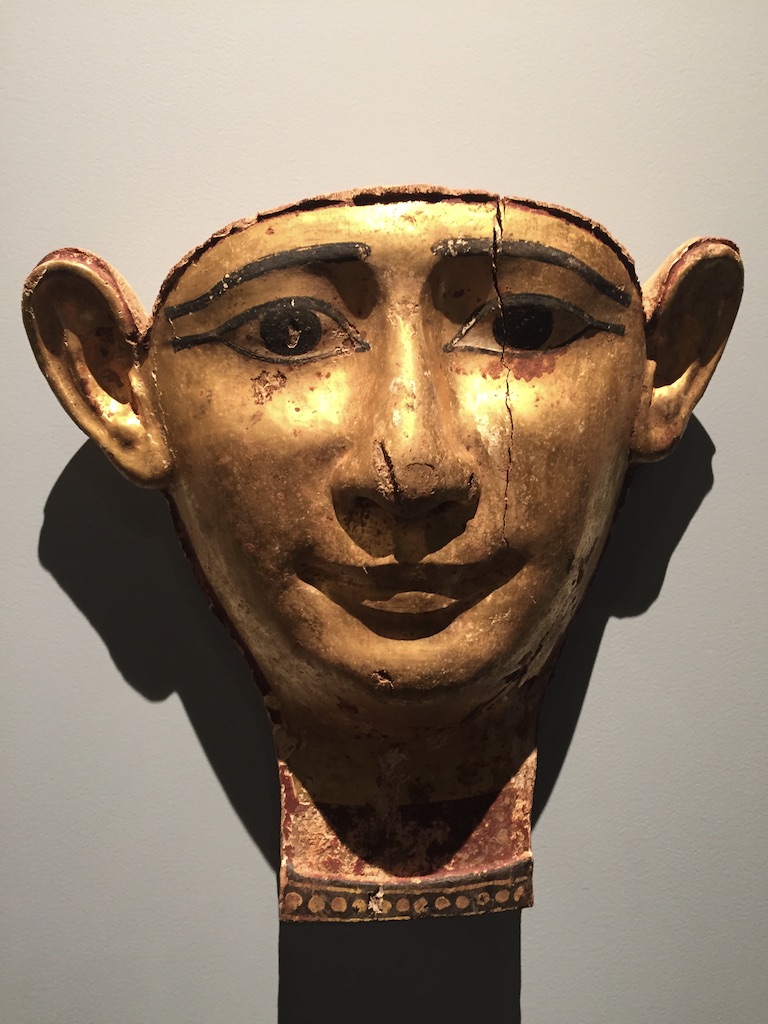
Gavin Shri Amneon’s Interpretation
The Omnisutra TeHuti by Gavin Shri Amneon brings these ancient texts into a modern meditative context:
- Use of Ancient Egyptian Language: The chanting in reconstructed Egyptian connects listeners with the vibrational and linguistic essence of ancient Egypt, fostering a sense of timeless reverence.
- Healing and Spiritual Alignment: The meditative qualities of the chanting align with Thoth’s role as a healer and guide. The music resonates with themes of introspection and transformation.
- Symbolism in Sound: Each verse, carefully selected from the Book of the Dead, emphasizes themes of wisdom, truth, and divine balance.
Thoth in Esoteric Traditions
Thoth’s influence extends beyond ancient Egypt into later mystical and esoteric systems:
- Hermeticism: In Greco-Roman times, Thoth became associated with Hermes Trismegistus, the legendary figure of Hermetic philosophy. This tradition emphasized spiritual wisdom, alchemy, and the unity of the divine and material worlds.
- Alchemy and Magic: Thoth’s teachings inspired later Western occult traditions, where he became a symbol of hidden knowledge and esoteric practices.
- Modern Spirituality: Thoth continues to be invoked in contemporary metaphysical and New Age practices as a guide to wisdom and transformation.
The Omnisutra Experience
The Omnisutra TeHuti offers listeners an opportunity to:
- Immerse themselves in the rich spiritual heritage of ancient Egypt.
- Engage with the profound archetypes of wisdom, healing, and balance embodied by Thoth.
- Experience the meditative and healing power of sound and ancient language.
As a meditative journey, it not only honors the ancient Egyptian deity but also connects the listener to the universal quest for wisdom and transcendence. This album serves as a bridge between the ancient and the modern, offering a powerful spiritual and auditory experience. Shunyam Adhibhu
 breath4balance