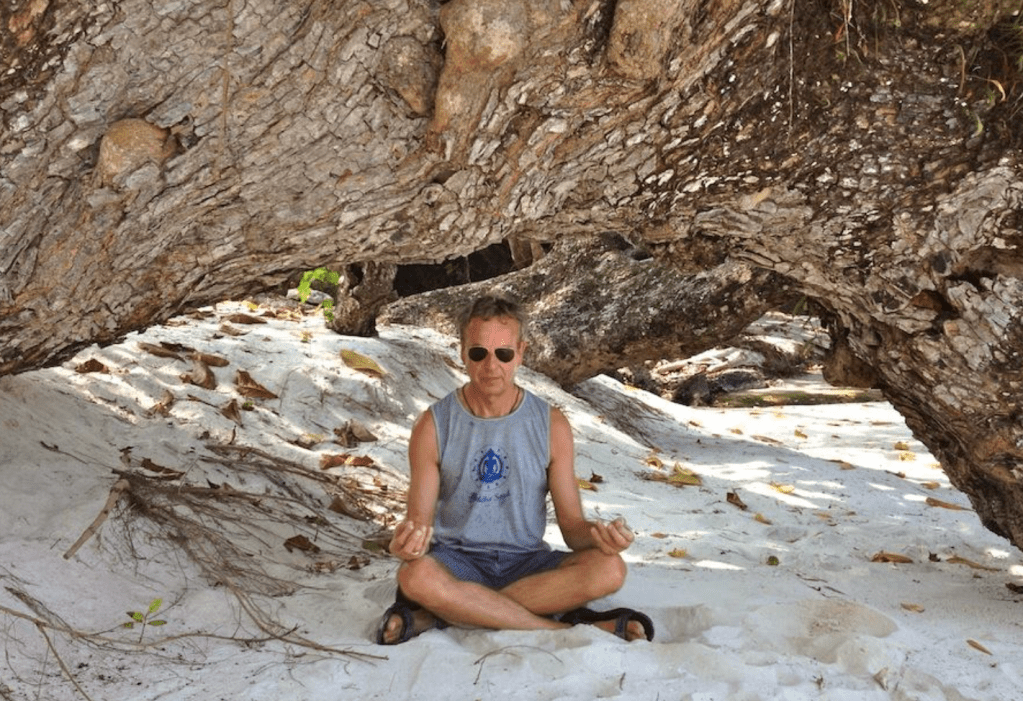
The powerful mantra “ओं नमो भगवते रुद्राय” holds a profound spiritual significance, resonating deeply with practitioners of yoga, meditation, and Vedic traditions. This mantra, dedicated to Lord Rudra, a fierce and transformative form of Lord Shiva, is a gateway to inner purification and transcendence. Let us delve into the layers of its meaning, spiritual purpose, and connection to the breathtaking rock temple in Kovalam, a site imbued with sacred history and devotion.
Meaning and Spiritual Essence of the Mantra
At its core, the mantra “Om Namo Bhagavate Rudraya” is a reverential salutation to Lord Rudra. Let us break it down:
- Om: The primordial sound, the source of all creation, representing the infinite consciousness that underpins the universe. It is said to contain the essence of the Vedas and symbolizes the ultimate reality, Brahman.
- Namo: A term of deep humility and surrender, meaning “I bow” or “I offer my reverence.”
- Bhagavate: This word denotes the divine or one who possesses all divine qualities. It signifies Lord Rudra’s supreme power and his transcendental nature.
- Rudraya: Refers to Lord Rudra, the ancient Vedic deity who embodies both destruction and renewal. Rudra is known as “The Howler” and is seen as a fierce aspect of Lord Shiva, often invoked for purification, healing, and protection.
Together, the mantra translates as: “I bow to Lord Rudra, the supreme and divine being.”
This mantra is a call to Lord Rudra to help dissolve ego, ignorance, and impurities, making way for spiritual growth. It is particularly used in meditation to invoke protection, inner strength, and clarity. Rudra, as the destroyer of evil and the transformer, symbolizes the inner force that dismantles negativity and restores harmony within.
Why Chant “Om Namo Bhagavate Rudraya”?
Chanting this mantra creates a profound spiritual resonance. The repetition of the sound aligns the practitioner with the cosmic vibrations of Rudra’s energy. Here are some of the key benefits:
- Inner Purification: Rudra is the purifier of all that is impure. Chanting this mantra helps in clearing mental, emotional, and spiritual clutter.
- Strength and Protection: It invokes Rudra’s fierce energy to shield against negativity and adversities.
- Transformation: Rudra represents change and transformation. The mantra aids in breaking old patterns and fostering renewal.
- Connection to the Divine: It serves as a direct line to connect with the infinite consciousness that Rudra embodies.
In the silence of deep meditation, the mantra allows practitioners to transcend the limitations of the material world and experience the infinite.
The Ancient Rock Temple in Kovalam
Now, let us explore the sacred setting in which this mantra is brought to life—the ancient rock temple in Kovalam. Nestled amidst the serene beauty of Kovalam, Kerala, this temple is a testament to India’s rich spiritual and architectural heritage.
Historical Background
The rock temple in Kovalam is believed to date back to the 8th century, a period marked by the proliferation of Shaivism under the Pallava and later Chola dynasties. Built entirely from carved granite, this temple stands as a symbol of devotion to Lord Shiva, often referred to here as Rudra. Its construction reflects the traditional Dravidian architectural style, characterized by intricate carvings, monolithic pillars, and a profound integration of spirituality with art.
The temple’s sanctum sanctorum houses a lingam, the aniconic representation of Lord Shiva. This lingam symbolizes the infinite, formless essence of the divine. Surrounding the sanctum are beautifully engraved depictions of Rudra’s various aspects, including his fierce and benevolent forms, as well as scenes from the Vedic texts.
Significance of the Location
Kovalam, renowned for its tranquil beaches and lush greenery, is also a spiritual hub. The temple’s location is believed to have been chosen based on Vastu Shastra principles, ensuring an energetic harmony between the temple and its natural surroundings. The sound of waves crashing against the shore provides an ambient backdrop, making it an ideal place for meditation and introspection.
Tradition holds that ancient seers and sages meditated here, chanting mantras like “Om Namo Bhagavate Rudraya” to invoke divine energy. The temple is thought to sit on a ley line—a powerful energetic grid connecting sacred sites around the world—further amplifying its spiritual potency.
Sacred Rituals and Practices
The rock temple continues to be a vibrant center for spiritual practices. Devotees flock here to participate in rituals such as:
- Abhishekam: Ritual bathing of the Shiva lingam with sacred substances like milk, honey, and ghee, symbolizing purification and devotion.
- Homa (Fire Ceremony): Offerings are made into a consecrated fire, with chants of Vedic mantras, including “Om Namo Bhagavate Rudraya”, to invite blessings.
- Meditative Chanting: Groups of devotees chant the mantra in unison, creating a powerful collective energy that reverberates through the temple.
The Connection Between the Mantra and the Temple
The sacred mantra “Om Namo Bhagavate Rudraya” takes on a special significance when chanted in this ancient temple. The temple’s sanctity, combined with the mantra’s vibrations, creates an atmosphere ripe for spiritual transformation. Each word of the mantra resonates with the energy of the temple, amplifying its effect on the practitioner.
This synergy between mantra and sacred space allows for a deeper immersion into meditation and a more profound connection to Lord Rudra. The temple’s history and divine presence act as a catalyst for the mantra’s transformative power.
A Broader Perspective on Lord Rudra and Global Relevance
While rooted in Vedic tradition, the essence of Lord Rudra transcends cultural and geographical boundaries. He embodies the universal principles of destruction and renewal, which are relevant to all spiritual seekers, regardless of their background. In times of personal or collective upheaval, Rudra’s energy reminds us of the impermanence of life and the opportunity for growth and transformation.
The mantra “Om Namo Bhagavate Rudraya” is increasingly practiced worldwide, not only by traditional devotees but also by modern yogis and meditation practitioners. Its universal appeal lies in its ability to evoke a sense of inner strength and peace.
Practical Tips for Chanting the Mantra
- Set the Right Intention: Begin by dedicating your practice to a higher purpose, such as self-purification or spiritual growth.
- Find a Quiet Space: Whether in a temple, nature, or your home, choose a space where you can chant without distractions.
- Use a Mala: A string of 108 beads can help you keep count as you chant the mantra repeatedly.
- Focus on Your Breath: Align your chanting with your breath for a more meditative experience.
- Visualize Rudra: Imagine Lord Rudra’s fiery yet compassionate form, allowing his energy to fill your being.
Om Namo Bhagavate Rudraya
The mantra “Om Namo Bhagavate Rudraya” and the sacred rock temple in Kovalam together offer a unique opportunity for spiritual awakening. Whether you are a seasoned practitioner or a curious seeker, this mantra and temple invite you to explore the depths of your consciousness, connect with the divine, and embrace transformation.
In today’s world, where distractions abound and inner peace often seems elusive, returning to ancient practices like this mantra can provide clarity and strength. The rock temple in Kovalam stands as a beacon of hope and a reminder of the timeless truths that guide humanity. Through devotion, meditation, and chanting, we can each take a step closer to realizing our true nature and aligning with the infinite consciousness symbolized by Lord Rudra.
As you chant “Om Namo Bhagavate Rudraya”, remember that it is more than just a set of words—it is a bridge to the divine within and a tool for profound inner transformation. Shunyam Adhibhu
 breath4balance