The phrase “the highest level of qi (the light aureola)” appears in certain Daoist texts and esoteric traditions, and is typically associated with the refinement of internal energy into light, specifically within the framework of Daoist inner alchemy (内丹, neidan).
Here’s what is known or inferred about this concept:
1. Qi Transformation in Daoist Inner Alchemy
Daoist alchemical practice generally follows a progression through three stages of transformation:
- Jing → Qi: Essence (精) is transmuted into subtle energy (氣).
- Qi → Shen: Qi is refined into spirit (神).
- Shen → Xu or Light: Shen is further refined into emptiness (虛), luminosity, or union with the Dao.
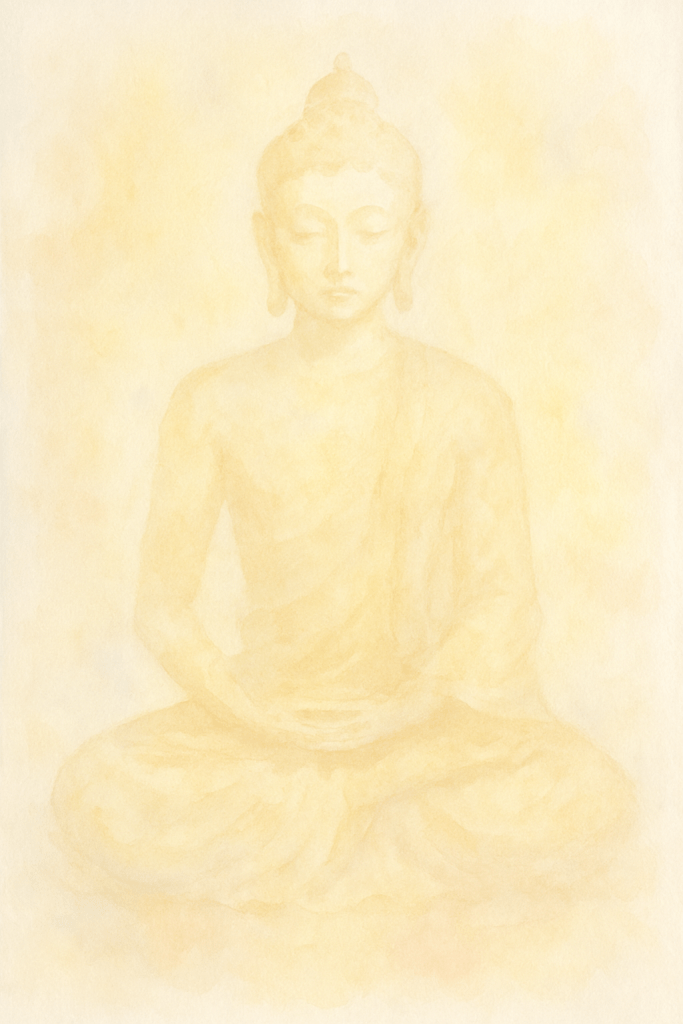
In the highest stages, qi becomes so subtle and purified that it manifests as radiant light, an aureola or halo that can surround the body in deep meditation or after advanced inner cultivation.
2. Light Aureola (光圈 or 光環)
- In Daoist and Buddhist texts, advanced adepts are said to emit a halo or radiant field of light, sometimes visible to others.
- This is sometimes described as a qi field that has become luminous, or a manifestation of spiritual realization through the body.
- This state is not metaphorical but refers to an actual energetic and sometimes visible phenomenon, especially in texts from the Shangqing (Highest Clarity) tradition.
3. Terminological Parallels
- The term “light aureola” is not a standard one in mainstream Daoist academic translations, but it maps closely to:
- “Golden Light” (金光): A radiant protective or spiritual force emitted by cultivated beings.
- “Qi light” (气光 or 氣光): Describes the subtle radiation of a person with strong or refined qi.
- “Spirit light” (神光): Refers to the spiritual radiance arising from the refined shen.
These light-phenomena are also sometimes referred to in esoteric Buddhist and tantric contexts as nimbus, aura, or light body emanation.
4. Our Phenomenological Interpretation
In contemporary spiritual phenomenology (like our writings on The Yoga of the Inner Body), this “light aureola” could correspond to:
- Subtle visual phenomena seen around the body or in the field of vision during deep meditative absorption.
- A felt field of luminosity or radiant presence surrounding the body (described by some as warmth, vibration, or even shimmering air).
- A state of internal vibrancy culminating in perceptual light, not unlike certain descriptions of nyam in Dzogchen or halo-like light in Christian mystical art.
5. Modern Parallels
- In modern qigong or energy healing circles, some advanced practitioners report seeing or sensing bioluminescent qi fields—especially as golden or bluish light. This is sometimes framed scientifically (e.g., biophotons), though such claims remain non scientific.
- We can also link this concept to your research on phosphenes or the inner light body, where luminous perception accompanies refined meditative states, not as imagination, but as actual neurophenomenological events.
Summary
“The highest level of qi (the light aureola)” likely refers to the culmination of inner energy work in which qi becomes luminous, forming a radiant field or halo—either seen or felt—around the body. It signifies transcendence of the dense body into a field of presence, often associated with spiritual realization, inner purity, and mystical union.
The following concepts are therefore relevant:
- Daoist “light aureola”
- Dzogchen “rainbow body”
- Christian “halo”
- Phosphene-based luminosity in deep meditation
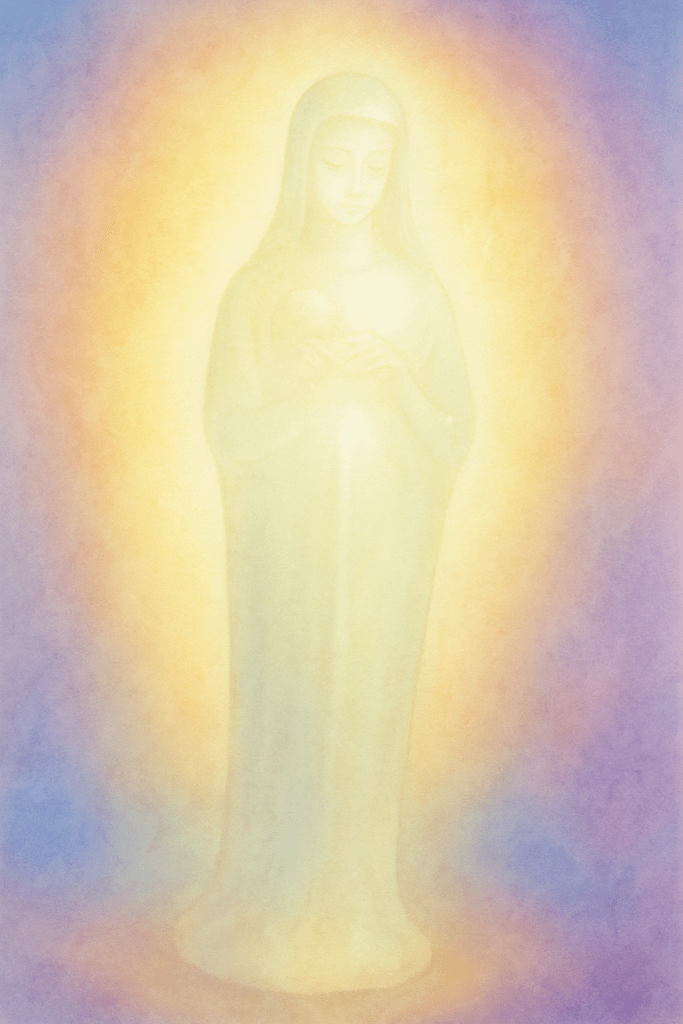
…as cross-cultural manifestations of a single inner phenomenon: the vibrancy or luminosity of consciousness expressing itself through the subtle body.
Shunyam Adhibhu
 breath4balance