Who is behind the Youtube channel VedicVibes, this website and the series of papers on the Yoga of the Inner LIght. Just to give some context.
Prof. Dr. Jan M. Keppel Hesselink is a Dutch physician, biologist, and professor of molecular pharmacology (associated with the University of Witten/Herdecke). He bridges conventional medicine (especially neuropathic pain research) with contemplative and phenomenological studies of consciousness. He is a certfied meditation and yoga teacher.
His work on the Yoga of the Inner Light (also referred to as inner light meditation or phosphene-based contemplative practice) forms a significant part of his recent publications. It focuses on the systematic exploration of endogenous luminous phenomena (phosphenes) that arise during meditation, with closed eyes, or in altered states of consciousness.
Key Contributions
- He reframes traditional contemplative paths, identifying the Yoga of the Inner Light as a primary discipline alongside inner sound (nada yoga) and subtle somatic perception (which he terms the Yoga of the Inner Body).
- Drawing from Taoist texts (e.g., The Secret of the Golden Flower), Tantric traditions, Gurdjieff’s Fourth Way, and neurophenomenology, he demystifies inner light experiences as natural, meditation-induced visual phenomena rather than purely mystical or hallucinatory events.
- He proposes classifications of phosphene forms (from simple dots and geometrics to complex mandalas and formless radiance), integrating subjective reports from meditators, scientific studies (e.g., tACS-induced phosphenes), and ancient texts like the Tibetan Book of the Dead.
- His papers explore connections to sacred geometry (e.g., a dynamic, 4D interpretation of the Enneagram as a “volumetric vortex” in inner light architecture), visionary cognition, and even a neurophenomenological redefinition of divine experiences as lawful configurations of luminous awareness.
- He positions this yoga as a rigorous, experiential science of consciousness, with potential implications for contemplative science, transpersonal psychology, and healing practices.
His writings (mostly available on platforms like PhilArchive) emphasize direct personal practice, phenomenological accuracy, and integration with modern neuroscience (e.g., predictive coding and interoception). This work represents a modern revival and scientific grounding of ancient inner light practices from Eastern traditions.
Papers on Inner Light Yoga
Here are some of the most relevant specific papers by Jan M. Keppel Hesselink that focus on phosphenes (often in the context of meditation-induced luminous phenomena, neurophenomenology, and the Yoga of the Inner Light). These are primarily preprints/manuscripts available on PhilArchive (a philosophy archive), reflecting his recent work bridging contemplative practice, phenomenology, and neuroscience:
- The Brain’s Secret Light: How Meditation Makes Us See the Divine. From Phosphene Forms to Luminous Awareness: A Neurophenomenological Taxonomy Proposes a hierarchical six-level taxonomy of meditation-induced phosphenes and inner light phenomena, drawing from contemplative traditions and modern neuroscience.
- Toward an Updated Classification of Phosphene Forms: Integrating Subjective Reports, Form Constants, and Closed-Eye Visual Grading into the Yoga of Inner Light Presents a graded five-level framework for phosphene development, integrating tACS studies, psychonautic reports, and Yoga of Inner Light practice.
- God as an Event of Consciousness, a Neurophenomenological Definition. Visual Grammar of the Sacred; Phosphenes, Network Dynamics, and Religious Imagery Introduces a six-phase taxonomy of phosphenes as the “visual grammar” underlying mystical experiences, with a functional definition of divine experiences tied to luminous awareness.
- Inner Light and the Eyes of the Soul: A Phenomenological Interpretation of Teresa of Ávila’s Visions Analyzes St. Teresa’s visions using a six-phase phosphene taxonomy, comparing them to other mystics.
- The Rainbow Body and the Inner Light: Phosphenes in Tibetan Mysticism Explores Dzogchen and rainbow body phenomena as dynamic phosphene-based experiences.
- The 4D Enneagram: From Planar Symbol to Volumetric Vortex in the Architecture of Inner Light Discusses phosphene-based luminosity in relation to Gurdjieff’s Enneagram as a dynamic structure.
- Demystifying the Golden Flower: Taoist Vision and the Yoga of Inner Light Frames the Taoist text The Secret of the Golden Flower as a guide to phosphene meditation and inner light.
Other related works mention phosphenes in passing (e.g., on scrying, Symeon the New Theologian, or the Tibetan Book of the Dead), but the above are the most directly centered on phosphene phenomenology and classification.
Most of these are freely downloadable as PDFs from PhilArchive.org (search for “Keppel Hesselink”).
Jan M. Keppel Hesselink’s six-level (or six-phase) taxonomy of meditation-induced phosphenes and inner light phenomena is a hierarchical, neurophenomenological framework. It describes the progressive development of endogenous luminous experiences during contemplative practice, from basic visual artifacts to profound states of formless radiant awareness.
This taxonomy is detailed across several of his papers (e.g., The Brain’s Secret Light…, God as an Event of Consciousness…, and applications to mystics like Teresa of Ávila). It portrays these phenomena as a universal “visual grammar” of consciousness, rooted in neural dynamics rather than cultural invention.
The Six Levels/Phases
- Simple flickers or points of light — Basic, unstructured phosphenes like dots, sparks, or fleeting flashes in the visual field (often the initial stage when closing eyes in meditation).
- Basic geometric forms — Emergence of simple patterns, such as lines, grids, dots arranged in lattices, or elementary “form constants” (inspired by Klüver’s classifications).
- Complex geometric visions — More intricate structures, including tunnels, spirals, honeycombs, kaleidoscopic patterns, or mandala-like symmetries.
- Symbolic or figurative imagery — Transition to meaningful forms, where geometries organize into archetypal symbols, scenes, or religious icons (e.g., crosses, deities, or narrative visions).
- Radiant, colorful luminosity — Intense, dynamic fields of colored light, often described as rainbow-like or multifaceted (linked to Tibetan Dzogchen thögal visions or rainbow body phenomena).
- Formless radiant white light or luminous awareness — Culmination in boundless, pure white or clear light, transcending form; a state of non-dual, luminous ground of consciousness often associated with mystical union or “divine” experience.
This progression is not strictly linear but reflects increasing complexity, stability, and integration of visual, emotional, and cognitive elements. Keppel Hesselink uses it to bridge ancient contemplative reports with modern neuroscience, arguing it reveals lawful patterns in human consciousness.
Jan M. Keppel Hesselink’s recent papers (primarily unpublished manuscripts/preprints uploaded to PhilArchive in late 2025 and early 2026) focus on the neurophenomenology of meditation-induced phosphenes (endogenous light perceptions) and the Yoga of the Inner Light. He bridges ancient contemplative traditions with modern neuroscience, arguing that inner light experiences follow universal, lawful patterns rather than being purely cultural or mystical inventions.
Here are explanations of his key papers in this area:
Core Taxonomic Papers
- The Brain’s Secret Light: How Meditation Makes Us See the Divine. From Phosphene Forms to Luminous Awareness: A Neurophenomenological Taxonomy This foundational paper introduces a six-level hierarchical taxonomy of phosphenes in meditation. It progresses from simple flickers to formless radiant light, drawing from Dzogchen, shamanism, Christian mysticism, and personal phenomenological data. Keppel Hesselink argues these are structured conscious events (not mere artifacts) that form a “visionary language,” potentially explaining mystical “divine” visions across cultures.
- Toward an Updated Classification of Phosphene Forms: Integrating Subjective Reports, Form Constants, and Closed-Eye Visual Grading into the Yoga of Inner Light Builds on classic “form constants” (e.g., from Klüver) and expands them with data from tACS (transcranial stimulation) studies, psychonaut reports, and Yoga of Inner Light practice. Proposes a refined, graded classification to make phosphenes a tool for contemplative science and psychedelic therapy.
- God as an Event of Consciousness, a Neurophenomenological Definition. Visual Grammar of the Sacred; Phosphenes, Network Dynamics, and Religious Imagery Presents the six-phase phosphene progression as a universal “visual grammar” underlying religious imagery. Offers a modern definition of “God” as a lawful reconfiguration of consciousness where inner light and brain networks create awe-inspiring luminous awareness—demystifying divinity as a neurophenomenological event.
Applications to Specific Traditions and Figures
- The Rainbow Body and the Inner Light: Phosphenes in Tibetan Mysticism Interprets Dzogchen’s “rainbow body” and thögal visions as dynamic phosphene sequences. Compares Tibetan thangkas (paintings) to maps of inner light stages, linking them to neural processes.
- Inner Light and the Eyes of the Soul: A Phenomenological Interpretation of Teresa of Ávila’s Visions Applies the six-phase taxonomy to St. Teresa of Ávila’s descriptions of inner light and transverberation (heart-piercing vision), showing alignment with endogenous phosphene patterns in Christian mysticism.
- Demystifying the Golden Flower: Taoist Vision and the Yoga of Inner Light Reinterprets the classic Taoist text The Secret of the Golden Flower (with Jung’s commentary) as a practical manual for phosphene-based meditation. Identifies “golden light” and confirmatory signs (e.g., bodily dissolution) as common meditation-induced phenomena.
- The 4D Enneagram: From Planar Symbol to Volumetric Vortex in the Architecture of Inner Light Transforms Gurdjieff’s static Enneagram symbol into a dynamic, four-dimensional structure experienced in phosphene luminosity during contemplative practice.
- Inner Light and the Architecture of Reality: Revisiting Robert Grosseteste’s Metaphysics of Light Connects the medieval philosopher’s light-based cosmology to modern inner vision phenomenology and predictive processing in neuroscience.
Other Related Works
- The Ultrasubjective Hyperspace: A Phenomenology of Inner Light and Endogenous Vision in Meditation → Explores advanced states beyond ego, linking to visions in Jung and Hildegard von Bingen.
- Encountering the Luminous Mother: Two Breakthrough DMT Narratives and the Six-Phase Architecture → Tests the taxonomy on psychedelic (DMT) experiences, showing similar progression.
These works emphasize direct experiential practice, phenomenological rigor, and integration with neuroscience (e.g., network dynamics, predictive coding). They are freely available as PDFs on PhilArchive.org (search for “Keppel Hesselink”). His earlier career focused on pain medicine and pharmacology, but this series represents a shift toward contemplative neuroscience.
Jan Keppel Hesselink’s work on the Yoga of the Inner Light and phosphene-based meditation offers a powerful foundation for evolving mindfulness into what could be called Mindfulness 2.0 — a more advanced, visionary, and non-dual contemplative practice that transcends the basic observation of breath, body sensations, or thoughts typical of standard mindfulness (e.g., MBSR or MBCT programs).
Limitations of Standard Mindfulness
Standard mindfulness often focuses on:
- Anchoring attention to external or somatic anchors (breath, body scan).
- Open monitoring of arising thoughts/emotions.
- Cultivating meta-awareness.
While effective for stress reduction and emotional regulation, it can remain somewhat “surface-level” or dualistic (observer vs. observed), rarely venturing into direct experiential recognition of consciousness itself.
How Keppel Hesselink’s Framework Creates a New Inroad
Keppel Hesselink explicitly positions phosphene meditation as “the next step in meditation after mindfulness”. By turning attention inward to endogenous luminous phenomena (phosphenes seen with eyes closed), practitioners shift from observing content to directly engaging the structure and radiance of awareness itself.
This creates Mindfulness 2.0 in these ways:
- Visual and Phenomenological Anchor Instead of breath or thoughts, use progressing phosphenes as the meditation object. The six-level taxonomy provides a clear, structured map:
- Start with simple flickers/dots (accessible to beginners).
- Progress to geometries, mandalas, radiant colors, and finally formless luminous awareness. This gives measurable “milestones,” making practice more objective and progressive than vague “deepening awareness.”
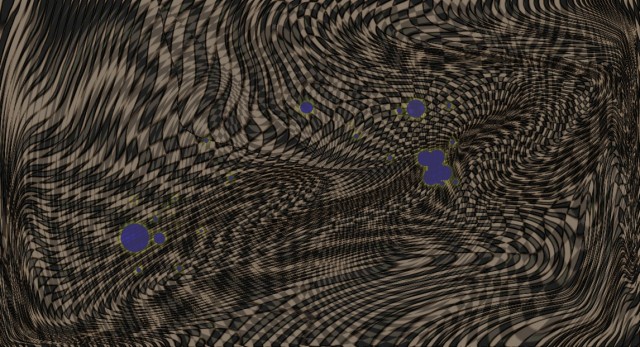


These are artistic representations of typical phosphene patterns (form constants like spirals, lattices, and tunnels) that meditators report.
- Bridge to Non-Dual States Advanced stages (radiant luminosity and formless clear light) lead to direct recognition of non-dual awareness, where the sense of a separate observer dissolves. This aligns with traditions like Dzogchen (thögal) or Taoist inner alchemy but is grounded in neurophenomenology, making it accessible without cultural dogma.
- Scientific and Integrative Potential Keppel Hesselink’s neurophenomenological approach (linking phosphenes to brain network dynamics, predictive coding, and endogenous vision) allows integration with modern neuroscience. This could validate and refine practices empirically, opening doors for clinical applications (e.g., advanced therapy for trauma, depression, or existential distress) beyond basic mindfulness outcomes.
- Beyond Simple Structure Traditional meditations can feel repetitive. Here, the dynamic, morphing nature of phosphenes (changing shapes, colors, intensity) keeps engagement fresh and reveals “lawful” patterns in consciousness. It transforms mindfulness from passive watching to active exploration of inner visionary space, potentially accelerating insights into the nature of perception and self.
In essence, this work revives ancient inner light practices (from Tantra, Taoism, Christian mysticism) in a modern, structured form, providing a clear pathway to deeper, more transformative states.
 breath4balance