The Yoga of Inner Light: Phosphenes lead the path
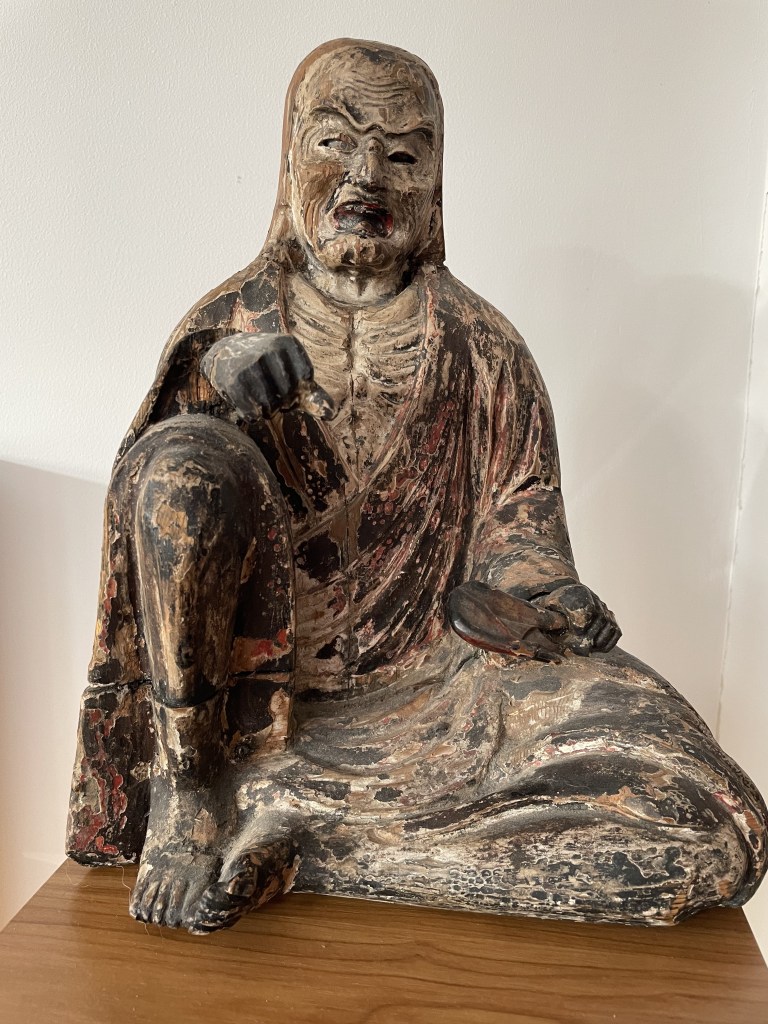
The Yoga of Inner Light is an ancient meditative tradition that transcends cultural and religious boundaries, appearing in diverse forms across Tibetan Buddhism, Zen, and other mystical traditions. It involves the direct perception of the luminous essence of consciousness, often described as an internal light or radiance experienced during profound states of meditation. This practice not only serves as a meditative focus but also acts as a gateway to realizing the deeper truths of existence.
Tibetan Tradition: Naropa’s Vision
In Tibetan Buddhism, the Six Yogas of Naropa, an advanced set of tantric practices, include instructions that point toward the Clear Light (Ösel), a core concept in the Yoga of Inner Light. This practice is deeply embedded in the Dzogchen and Mahamudra traditions, where practitioners are guided to recognize the luminous essence of their own mind.
Naropa (1016–1100), one of the greatest masters in Tibetan history, described the experience of inner light as integral to spiritual awakening. In his system, Tummo (Inner Heat) is used to ignite and purify the subtle body, preparing the practitioner to encounter the luminous Clear Light directly. This light is said to be the manifestation of primordial awareness, the unchanging, radiant nature of mind that underlies all phenomena. Through visualization, breathwork, and profound meditative absorption, practitioners learn to stabilize this light, experiencing it as both their essence and the essence of reality.
The Clear Light is particularly emphasized in the Bardo Thödol (commonly known as the Tibetan Book of the Dead), where it is described as the radiant ground of all being encountered during the intermediate state between death and rebirth. Recognizing this light in life, as taught in Naropa’s system, allows one to merge with it in death, achieving liberation.
Zen Lineages: The Light Within
In Zen Buddhism, references to the inner light are more subtle but equally profound. Zen focuses on direct experience and immediate realization, often eschewing elaborate metaphysics. However, descriptions of luminous awareness appear in the writings and teachings of key Zen masters.
For example, the Platform Sutra of the Sixth Patriarch mentions the inner light as the essence of wisdom and clarity. Hui Neng, the Sixth Patriarch of Zen, emphasized the light of one’s own mind as the path to liberation: “The light of wisdom is the light of your own self-nature. To see this light is to see your true mind.” This luminous nature, unclouded by delusion, is cultivated through zazen (seated meditation), where practitioners turn inward and observe the stillness and radiance of consciousness.
Similarly, in the Rinzai Zen tradition, Koan practice often leads to sudden insights into this luminous awareness. Descriptions of enlightenment experiences (satori) frequently include metaphors of light, symbolizing the clarity and immediacy of awakening.
Common Threads Across Traditions
Despite their differences in approach and language, the Yoga of Inner Light in Tibetan Buddhism and Zen shares fundamental principles:
- Direct Experience of Awareness: Both traditions emphasize direct, experiential recognition of the luminous nature of consciousness. Whether it is called the Clear Light, the light of self-nature, or luminous awareness, this is seen as the ultimate reality beyond dualistic perception.
- Inner Light as a Guide: In both traditions, the inner light is not merely a phenomenon but a guide to deeper spiritual truths. It is the pathway to realizing the inseparability of self and cosmos, subject and object.
- Meditative Practice as the Key: The cultivation of inner light relies on meditative techniques. Tibetan practices may involve visualization and breath control, while Zen centers on silent observation and non-conceptual awareness.
Modern Relevance: Inner Light and Contemporary Practice
The Yoga of Inner Light holds profound relevance for contemporary seekers, offering a direct and accessible way to explore consciousness. The luminous inner light described in these traditions often corresponds to phosphenes, the subtle visual patterns perceived with closed eyes. These lights can serve as an entry point for meditation, providing a tangible focus that draws attention inward.
Modern neuroscience has begun to explore the phenomenon of inner light, linking it to brain activity in meditative states. This emerging understanding bridges ancient wisdom with modern insights, affirming the transformative power of focusing on light as a meditative practice.
By merging the practices from Tibetan and Zen traditions, practitioners today can integrate the dynamism of breathwork and visualization with the simplicity of silent observation. This fusion honors the richness of the Yoga of Inner Light while making it accessible to those seeking profound clarity and spiritual awakening in modern contexts.
Conclusion: The Light Beyond
The Yoga of Inner Light invites us to turn inward and recognize the radiant nature of our own mind, the Clear Light that shines through all experiences. Whether encountered through the structured methods of Naropa’s teachings or the spontaneous insight of Zen, this light is a beacon pointing us toward our true nature. It dissolves boundaries, illuminates truth, and ultimately reveals the profound unity of all existence.
 breath4balance