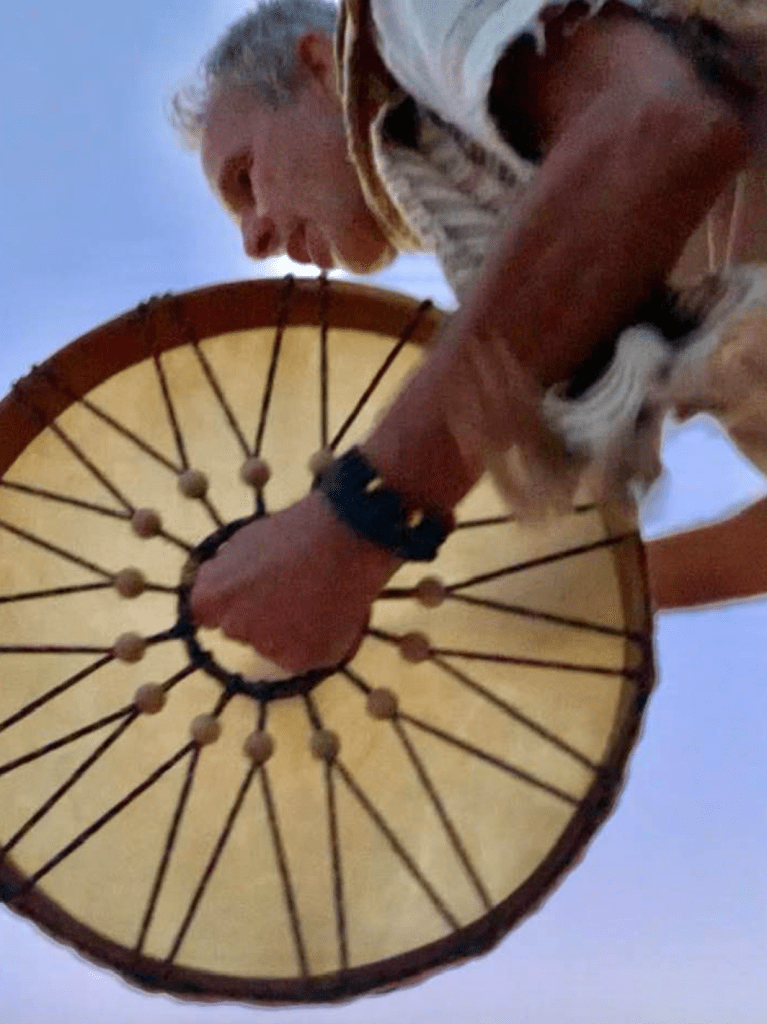
At our meditation centre Quinta Quixote we often do shamanic circles with drumming and shamanic singing and also we do individual sessions.
Those sessions can be pretty intense.
Shamanic healing has undergone a profound transformation over the last 25 years in the West. What was once seen as an esoteric or exotic practice has gradually become integrated into therapeutic and spiritual circles, adapting to the cultural context while retaining its core principles. From individual therapy sessions to large group ceremonies, shamanic practices have evolved to meet the diverse needs of modern seekers, blending ancient traditions with contemporary approaches.
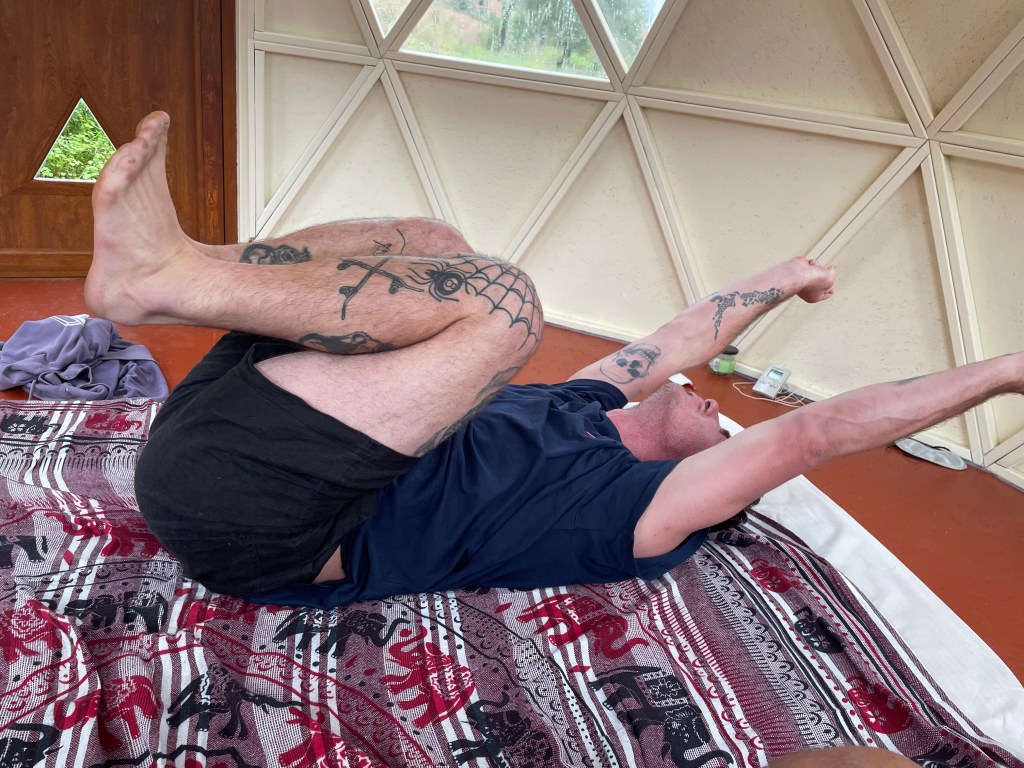
This resurgence of shamanism in the West owes much to pioneers like Stanislav Grof, who introduced transpersonal psychology and holotropic breathwork as pathways to altered states of consciousness. Grof’s work demonstrated the therapeutic potential of non-ordinary states, laying the groundwork for practices like shamanic healing to gain legitimacy. His emphasis on the psyche’s ability to heal itself through deep, immersive experiences echoes the principles of shamanic traditions, where the journey into the unseen is both diagnostic and transformative. Breathwork is always part of our meditative and transpersonal work, as well as in tantra sessions. Here an example, it is a bit odd if you never experienced a shamanic trance.
Individual Therapy: Personal Journeys into the Subconscious
In the realm of individual therapy, shamanic healing has been adapted into a highly personalized process. Over the past few decades, Western practitioners have refined the structure of shamanic rituals to address issues such as trauma, anxiety, and disconnection from one’s sense of purpose. The seven steps of a traditional shamanic ritual—relaxation, induction of trance, deepening, peak intensity, fading out, and reintegration—serve as a flexible framework for these one-on-one sessions.
For instance, the use of tools like the rattle or drumming to induce trance states has been tailored to suit modern clients, who may approach the process with skepticism or fear. The goal remains the same: to create a safe container where the participant can journey inward, guided by the practitioner. Singing, touch, and sensory immersion are employed to deepen the experience, allowing suppressed emotions or memories to surface and be released.

Western practitioners often integrate psychological insights with shamanic methods. Drawing from Grof’s understanding of the subconscious as a repository of both wounding and healing, many shamanic therapists work to help clients navigate their inner landscapes, using the trance state as a bridge to access and reframe past experiences.
Group Ceremonies: Collective Transformation
In parallel, shamanic group ceremonies have flourished, evolving into vibrant communal experiences that draw from ancient practices while embracing the dynamics of modern group work. These gatherings often blend traditional elements—such as drumming circles, chanting, and sacred rituals—with contemporary influences like sound healing, ecstatic dance, and even art therapy.
The group setting amplifies the intensity of the experience, as participants often report feeling a shared energy that deepens their journey. Unlike individual therapy, group ceremonies create a collective field where personal transformations are interwoven with the group’s shared intention. This mirrors indigenous shamanic practices, where the healing of an individual was seen as integral to the well-being of the community.

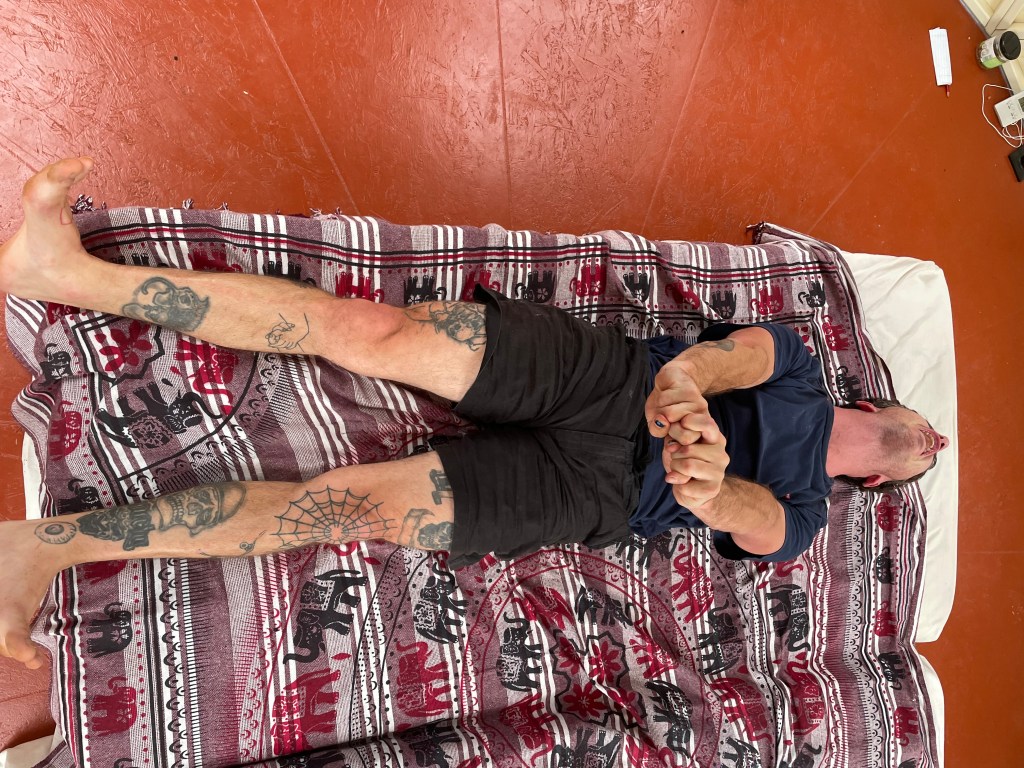
Preparation at Quinta Quxote for a session
ff
Modern facilitators have diversified the tools and approaches used in these settings. For instance, breathwork, informed by Grof’s holotropic methods, is often employed to complement shamanic rituals. Participants are guided through rhythmic breathing patterns that induce altered states, allowing them to engage with the symbolic language of their subconscious. In some cases, the ceremony incorporates elements of psychedelics (where legal and culturally appropriate), reintroducing plant medicine traditions that have been central to shamanic practices for millennia.
Adapting Ancient Practices for Modern Healing
One of the most significant shifts in the last 25 years has been the increasing focus on integration. Unlike the traditional shamanic context, where healing often took place within a deeply embedded cultural and spiritual framework, modern participants frequently return to lives that lack such support. This has led to the development of post-ritual practices, such as journaling, counseling, or somatic therapies, to help participants make sense of their experiences and apply the insights gained.
The seven-step framework of shamanic rituals offers a coherent structure for this adaptation. It ensures that participants are not only guided into the depths of their subconscious but are also gently brought back, grounded, and empowered to carry their healing forward. The relaxation and reintegration phases, in particular, have become focal points for Western practitioners, recognizing the importance of helping participants transition smoothly from altered states to daily life.
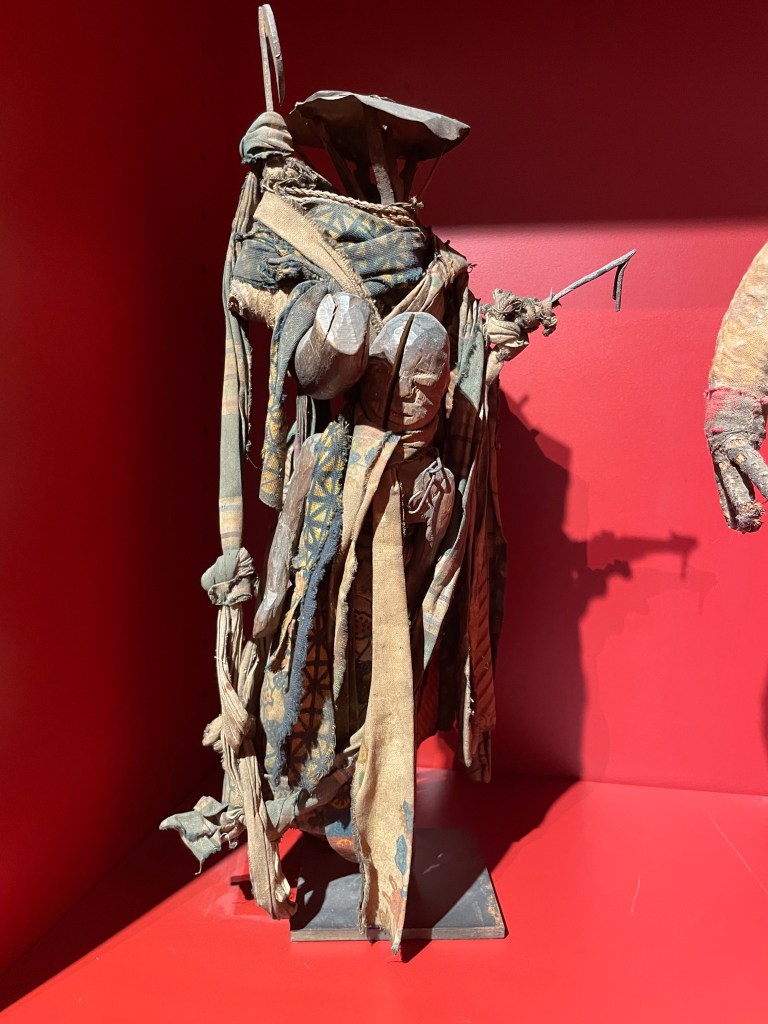
Diverse Approaches: Tradition and Innovation
While many Western shamanic practitioners remain faithful to indigenous traditions, others have innovated, incorporating insights from psychology, neuroscience, and other spiritual traditions. This diversity has enriched the field, offering participants multiple pathways to explore the depths of their consciousness.
For example, some practitioners emphasize neuroscience-based explanations of altered states, demystifying the process for those who may approach shamanism with skepticism. Others draw from embodied practices, such as somatic experiencing, to ground the often-intense energies that arise during rituals. These approaches ensure that the practice remains accessible and effective for a wide range of individuals.
The Timeless Core of Shamanic Rituals
Despite these innovations, the essence of shamanic healing remains unchanged. At its heart, it is a journey—a guided process that leads participants from the surface of their awareness into the depths of their being, where profound insights and transformations can occur. Whether experienced as an individual therapy session or a group ceremony, shamanic rituals continue to offer a bridge between the known and the unknown, the seen and the unseen.
The structured process, with its careful progression from grounding to peak intensity and back to integration, reflects a timeless wisdom: healing is not about bypassing discomfort but about surrendering to the flow of experience, guided by a coherent, supportive framework. In this way, the ancient practices of shamanism remain as relevant and transformative today as they were thousands of years ago, offering modern seekers a path to wholeness and connection. Shunyam Adhibhu
 breath4balance