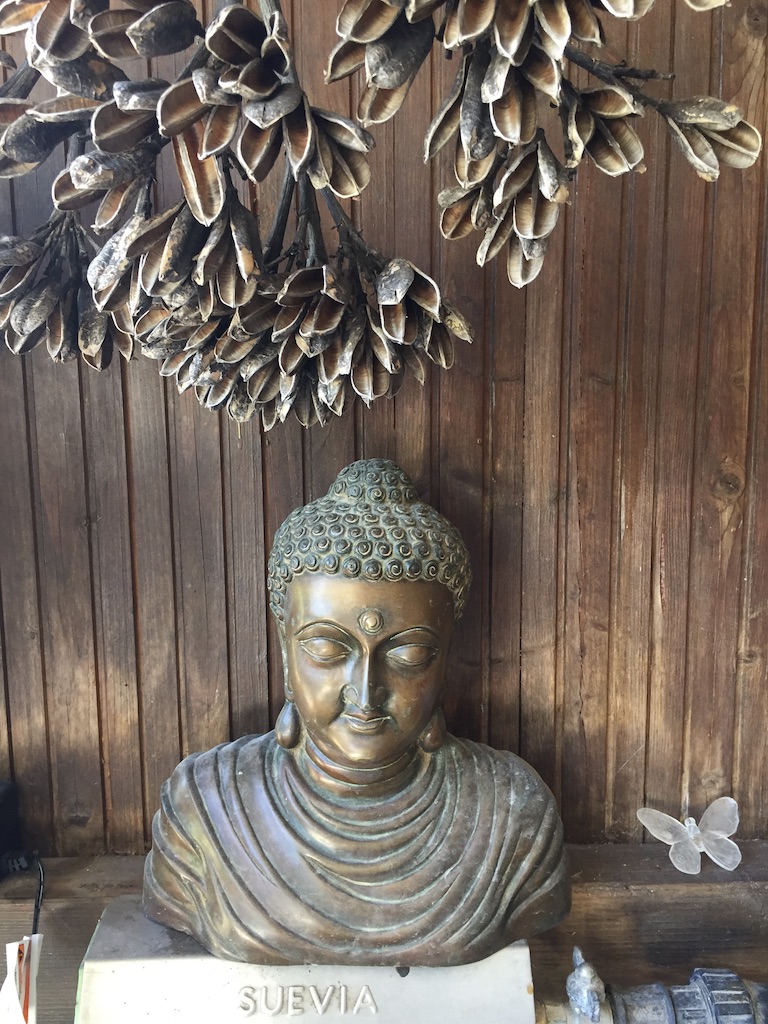
The use of cannabis as a tool for deepening meditative practices has a long and storied history, particularly in ancient spiritual traditions. Cannabis, often referred to as Vijaya or Bhang in Sanskrit, has been part of religious rituals and meditative practices in India for thousands of years. It has been described as a sacred plant in texts like the Atharva Veda, where it is referred to as one of the five sacred plants that provide liberation and relieve suffering.
Indian mystics and sadhus (wandering ascetics) have historically used cannabis in rituals, often smoking it in chillums during gatherings like the Kumbh Mela, to deepen their connection with the divine. Similarly, ancient Chinese and Tibetan practitioners also employed cannabis for spiritual purposes, mixing it into their traditions of meditation, divination, and healing.
The contemporary use of cannabis for meditation has grown in popularity as more people explore its potential to enhance introspection and spiritual experiences. By magnifying sensory perception and quieting mental chatter, cannabis has become a tool for those seeking deeper states of awareness and mindfulness.

Cannabis and Meditation: A Synergistic Practice
Cannabis serves as an enhancer for meditation in two primary ways: it amplifies sensory perception and encourages a heightened state of introspection. The plant’s psychoactive properties, primarily derived from its cannabinoids (such as THC and CBD), can facilitate unique experiences when used in a meditative context. In the youtube Florian and Shunyam discuss the value of this teacher plant for our meditation.
1. Magnifying Sensory Awareness
Cannabis intensifies sensory perceptions, allowing practitioners to observe internal and external phenomena more vividly. Users often report heightened awareness of bodily sensations, light, sound, and even emotions. This magnification can help meditators:
- Explore the Inner Landscape: Cannabis allows practitioners to observe the “default mode network” (the brain’s resting state) with greater clarity. This enables a deeper understanding of thought patterns and unconscious processes.
- Access Subtle Sensations: For example, practitioners often describe perceiving bodily sensations with more precision, making it easier to locate tension or blockages and release them during meditation.
- Experience Light Phenomena: Cannabis has been reported to amplify the perception of “phosphenes” (patterns of light and color seen with eyes closed). These visual phenomena, which align with ancient accounts of divine light or bindu in Indian spiritual texts, can deepen one’s meditation by creating a sense of awe and connection with the sacred.
2. Quieting the Mind
Cannabis can also quiet mental noise, making it easier to enter meditative states. By reducing the influence of the “monkey mind”—the constant stream of thoughts—cannabis helps practitioners focus on the present moment. This quieting effect creates a fertile ground for experiencing:
- Deep Rest and Freedom: As mental chatter subsides, practitioners often experience a profound sense of inner peace, described by some as an encounter with the divine.
- Connection with the Self: This stillness enables a more profound understanding of one’s true nature, which aligns with spiritual goals described in traditions like Advaita Vedanta and Tibetan Buddhism.
Ancient Parallels: Cannabis in Historical Spiritual Practices
The Sadhus of India
In India, cannabis has been revered as a sacred plant for millennia. Sadhus often use it to aid in their meditation and worship of Shiva, the god of transformation and meditation. Cannabis is believed to help them:
- Enter altered states of consciousness.
- Dissolve the ego, enabling a direct experience of unity.
- Focus their minds during long meditation sessions.
Tibetan Practices
Tibetan traditions, particularly the Tantric Yoga of the Six Yogas of Naropa, involve visualization and energy manipulation. While cannabis is not explicitly mentioned in Tibetan texts, the reported effects of cannabis—amplification of light, deep introspection, and heightened awareness—align with the stages of inner illumination and bliss described in Tibetan meditation.
The Vedas and Soma
The Vedas, ancient Indian scriptures, describe a sacred substance called Soma, believed to bring divine insight and immortality. While the exact composition of Soma remains debated, some scholars suggest that cannabis was one of its key ingredients due to its psychoactive properties and role in spiritual rituals.
The Challenges and Benefits of Cannabis in Meditation
Cannabis is not a universally easy or pleasant experience for meditation. It magnifies both positive and negative aspects of the inner and outer world. This duality presents a challenge for practitioners but also a unique opportunity for growth.
Challenges
- Magnification of Unconscious Content: Cannabis can bring hidden fears, anxieties, or unresolved emotional issues to the surface. For some, this may feel overwhelming or disorienting.
- Difficulty in Control: The enhanced sensory and emotional awareness may make it challenging to focus or remain grounded.
- Dependency Risk: Overuse or reliance on cannabis for meditation may hinder personal growth by creating dependency rather than fostering self-reliance.
Benefits
- Embracing Inner Shadows: By bringing unconscious fears to light, cannabis offers an opportunity to confront and integrate them, leading to psychological healing.
- Enhanced Self-Awareness: The heightened introspection allows practitioners to observe their mental processes and patterns with greater clarity.
- Connection with the Divine: Cannabis can facilitate profound experiences of unity, bliss, and connection with the sacred.
Practical Guidance for Using Cannabis in Meditation
For those wishing to experiment with cannabis as a meditative aid, it’s important to approach it with mindfulness and intention. Here are some practical tips:
- Create a Sacred Space:
- Choose a quiet, comfortable environment free of distractions.
- Light candles or incense to create a peaceful atmosphere.
- Use in Moderation:
- Begin with a small dose to avoid feeling overwhelmed.
- Prefer methods like vaping or edibles for a more controlled experience.
- Set an Intention:
- Before consuming cannabis, reflect on your purpose for the meditation session. This could be gaining insight, seeking peace, or exploring the inner landscape.
- Practice Silence and Stillness:
- After consuming cannabis, sit in silence with your eyes closed. Observe your breath, thoughts, and sensations without judgment.
- Journal Your Experience:
- After the session, write down your observations and insights to integrate the experience into your daily life.
Cannabis as a Divine Plant Teacher
Cannabis, when used mindfully and with reverence, can serve as a powerful tool for deepening meditation. It aligns with ancient practices and philosophies that emphasize the exploration of the inner world to connect with the divine. While it is not without its challenges, cannabis offers a unique opportunity for self-discovery and transformation.
The mystical states it facilitates—light phenomena, heightened sensory awareness, and deep introspection—are well-documented in both ancient spiritual texts and modern experiences. By treating cannabis as a sacred plant and using it responsibly, practitioners can unlock its potential to magnify their journey toward self-realization and connection with the divine.

 breath4balance