If you’re new to meditation and curious about those moments when light seems to appear behind closed eyes, tiny sparks, a soft glow, or sometimes a strange, all-encompassing luminosity, here’s a simple, plain-language guide that brings together an accessible version of the Yogic Theory of Mind & Consciousness (YTMC) and what it means for practicing the “yoga of the inner light.”
First, imagine your attention like a flashlight. Most of the day that flashlight points outward: you look, hear, and react to the world. Yogic training asks you, step by step, to turn that flashlight inward. The first step, called pratyahara, is simply learning to withdraw attention from external distractions so your nervous system doesn’t keep reacting to every beep, smell or movement. When that outward pressure eases, the brain can start to notice quieter, internally generated signals. That is one of the reasons people sometimes begin to see tiny flashes or points of light, not because something’s wrong, but because the visual system is freed from the competition of outside input and small internal patterns can appear.
The YTMC paper gives this idea a working map. It links traditional practice stages (the steady inward turn, then focused holding of attention, and finally a deep absorbed state) to what the brain tends to do in each phase. In practical terms: early withdrawal from the world often brings brief, star-like sparks; sustained, gentle focus can produce more stable patterns, lattices, filaments, gentle glows; and very deep, unified absorption is sometimes accompanied by a pervasive sense of radiance or a kind of luminous stillness that people have described in many traditions. The important thing to note is that YTMC treats these lights as meaningful signs of what is happening in attention and perception, not as magical proof of anything supernatural.
For you as a practitioner, this means three simple things. The first is that the lights are usually a natural byproduct of training, not a goal in themselves. They can be beautiful and encouraging, but they are not the finish line. The second is that they are learnable: with steady, measured practice you can create conditions where your nervous system gradually grows comfortable with sensory quiet, and the inner visuals tend to become clearer and easier to describe. The third is a safety note: if seeing lights is accompanied by alarming disorientation, strong anxiety, or a sense of losing touch with reality, stop and seek guidance from a trusted teacher or a healthcare professional.
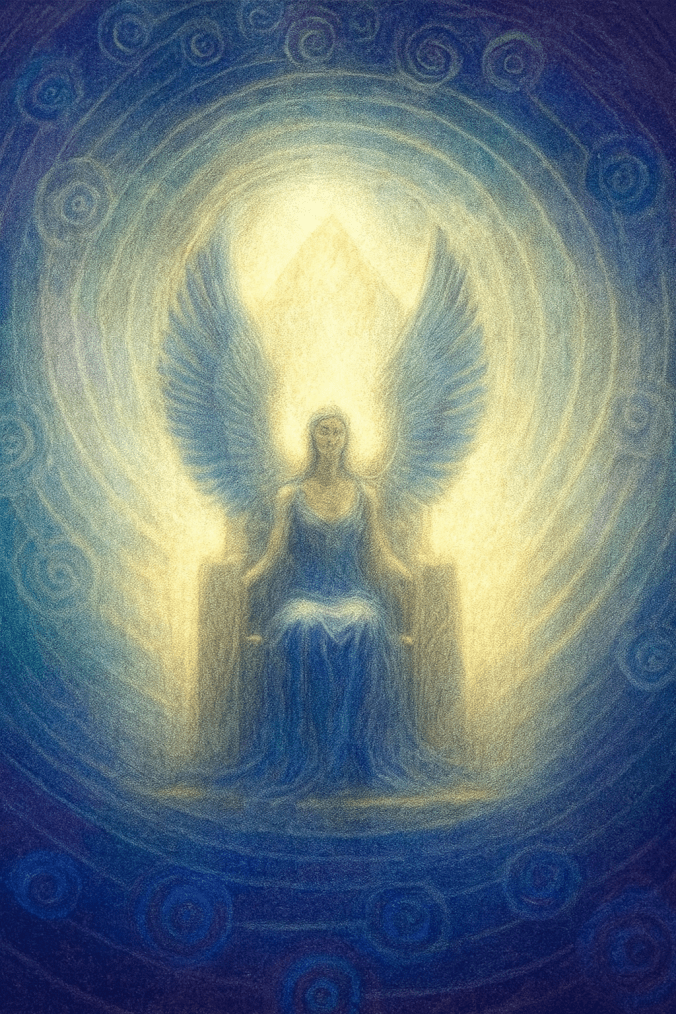
A practical way to begin is short and simple. Find a quiet place and sit comfortably. Start with a few minutes of gentle breathing to settle. Practice a soft focus on a candle flame or a small point on the wall for a few minutes, this is called trataka in the yogic tradition. After a short gazing period, gently close the eyes and notice what appears. At first you may notice nothing, or perhaps a faint point of light. Don’t chase it. Observe calmly, as you would watch clouds move across the sky. Over days and weeks, if you sit regularly, you may notice that the flashes last a little longer, or that a lattice of lines briefly appears, or that a warm, moon-like glow fills the inner field. Writing a few lines in a notebook after each session, what showed up, how long it lasted, whether it felt pleasant or strange, helps you and any teacher make sense of the progress.
Remember to keep everything gradual. Short daily sessions are far more effective than long, intense ones that push the nervous system too hard. The YTMC framework suggests that the brain’s rhythms shift as practice deepens: certain slow waves become stronger, networks that usually mind-wander quiet down, and at times higher-frequency bursts are associated with vivid, bright experiences. You don’t need to measure the brain to benefit from this knowledge; it simply means that training attention reliably changes how the mind works, and the lights are one visible sign of that change.
Language matters. Use simple words to describe what you notice: “sparks,” “threads,” “soft glow,” “warm light,” or “deep stillness.” These shared words help teachers and researchers compare experiences without turning them into confusing poetry. If you are teaching, encourage students to report clearly and calmly; if you are learning, be honest with yourself about whether the experience is uplifting or unsettling.
Finally, treat the lights as companions on a larger path. They can inspire curiosity, deepen concentration, and sometimes offer profound, quietly comforting moments. But they sit inside a broader practice that includes ethical behavior, balanced living, sleep, nourishment, and community support. The YTMC perspective simply helps us see that these luminous events are neither random nor merely mystical: they are meaningful changes in attention and perception that respond to careful practice. Approach them with curiosity, patience, and the sensible guidance of a reliable teacher, and they will most likely become safe, illuminating landmarks on your meditation journey. Shunyam Adhibhu
 breath4balance